
Este artigo foi também publicado no Observador.
This article was also published in Observador.
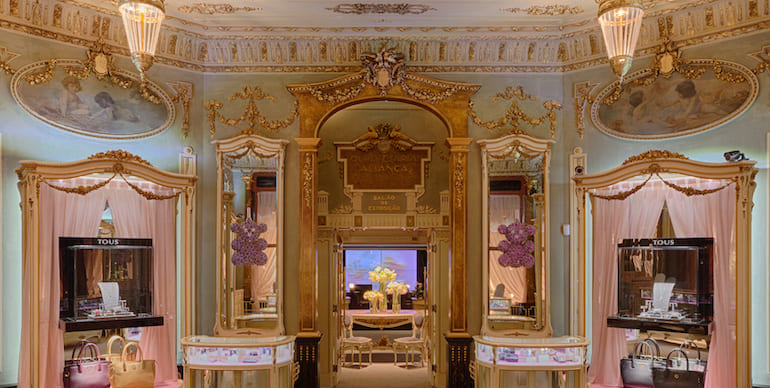
As lojas históricas fazem parte do património da cidade. Lisboa está a perdê-las a um ritmo alarmante, e é urgente agir para não descaracterizar a cidade.
Lisboa tem enfrentado, nos últimos anos, uma crise profunda no seu património comercial, marcada pelo encerramento sucessivo de lojas históricas que, durante décadas, ajudaram a construir a identidade e a memória da cidade.
Existem exceções que demonstram que é possível conciliar renovação com respeito pelo ADN urbano. A Pastelaria Patriarcal vai integrar o futuro Hotel Valverde, no edifício da antiga Pensão Londres. A Tascardoso, na Rua do Século, será a nova morada do restaurante Faz Frio. Mas estes casos são raros. O fecho da pastelaria Cister, que mesmo descaracterizada na sua ultima renovação, foi fundada em 1838 e frequentada por Eça de Queirós que comia sempre um pastel de nata antes de descer o Chiado, ou a ameaça à Ginginha Sem Rival, no Rossio, reforçam um alerta inevitável: até quando pode Lisboa continuar a perder estes espaços históricos sem
comprometer a sua própria identidade?
Os números são claros. Em 2023, encerraram 16 estabelecimentos emblemáticos, o pior registo das últimas três décadas. Entre 2000 e 2023, Lisboa perdeu 82 lojas históricas. O aumento das rendas, a pressão de um turismo massificado e a ausência de mecanismos eficazes de proteção ajudam a explicar o fenómeno, mas não o justificam.
A lógica do mercado tem prevalecido sobre espaços que não são meros pontos de venda, mas elementos centrais da identidade urbana. O programa Lojas com História, da Câmara Municipal de Lisboa, representa um reconhecimento importante, mas insuficiente. Distinções simbólicas não garantem sobrevivência face a rendas incomportáveis; são necessários apoios financeiros, incentivos fiscais e um enquadramento legal que permita intervir em situações de risco iminente — afinal, como defendia Jane Jacobs, urbanista e autora de Morte e Vida de Grandes Cidades, a diversidade de pequenos negócios e a vitalidade das ruas são essenciais para a vida urbana e para a segurança da cidade.
Outras cidades europeias oferecem exemplos a seguir. Em Paris, a autarquia adquire lojas históricas e espaços de comércio local para preservar a diversidade, apoiar pequenos negócios e garantir bairros vivos. Esta estratégia reforça o carácter único da cidade, incentiva a circulação pedonal e sustenta uma economia urbana mais equilibrada.
Portugal precisa compreender que a perda destas lojas não atinge apenas a cultura e a tradição: compromete também a economia, o turismo e o emprego. Que valor tem um destino que abdica da sua autenticidade em troca de uma uniformização global? Lojas históricas como Paris em Lisboa, Luvaria Ulisses ou Caza das Vellas Loreto — que faço questão de continuar a frequentar — sobrevivem não pela utilidade dos produtos, mas pelo vínculo que estabelecem com quem as frequenta e pela continuidade do seu carisma insubstituível.
A juntar ao colapso, a gentrificação e a proliferação de negócios exclusivamente turísticos, como lojas de recordações genéricas, descaracterizam bairros inteiros. Critérios rigorosos na atribuição de licenças — o licenciamento zero já não faz qualquer sentido — são essenciais para preservar diversidade, autenticidade e equilíbrio comercial.
A responsabilidade não é apenas das autoridades. Os lojistas também desempenham um papel decisivo. Manter uma loja histórica no século XXI exige adaptação: formação em gestão, modernização de infraestruturas e atenção à experiência do cliente. Redes de colaboração entre comerciantes permitem estratégias conjuntas de promoção e apoio mútuo, reforçando a resiliência face à concorrência.
O poder público deve garantir que as regras de proteção do património não se limitem ao plano simbólico. Impedir intervenções que descaracterizem espaços históricos, criar fundos de conservação e acompanhar a realidade destes estabelecimentos são medidas essenciais. Sem esta vigilância, qualquer política corre o risco de permanecer apenas no papel.
Lisboa não pode continuar a perder as suas lojas históricas a este ritmo. Preservar um estabelecimento histórico é proteger a identidade de uma cidade, a memória coletiva e o futuro cultural e económico de Portugal.
Shops are part of the city’s heritage. Lisbon is losing them at an alarming rate, and urgent action is needed to prevent the city from losing its distinctive character.
Lisbon has faced a deep crisis in its commercial heritage in recent years, marked by the successive closure of historic shops that, for decades, have helped to shape the city’s identity and collective memory.
There are exceptions that demonstrate that it is possible to reconcile renewal with respect for the city’s urban DNA. Pastelaria Patriarcal is to become part of the future Valverde Hotel, in the building of the former Pensão Londres. Tascardoso, on Rua do Século, will become the new home of the restaurant Faz Frio. But such cases are rare. The closure of Pastelaria Cister, which, despite having been stripped of much of its character during its most recent refurbishment, was founded in 1838 and frequented by Eça de Queirós, who would always eat a pastel de nata before heading down to Chiado, or the threat facing Ginjinha Sem Rival, in Rossio, reinforce an unavoidable warning: how long can Lisbon continue to lose these historic spaces without compromising its own identity?
The figures are clear. In 2023, 16 emblematic establishments closed their doors, the worst record of the past three decades. Between 2000 and 2023, Lisbon lost 82 historic shops. Rising rents, the pressure of mass tourism and the absence of effective protection mechanisms help to explain the phenomenon, but they do not justify it.
Market forces have prevailed over spaces that are not merely points of sale, but central elements of the city’s urban identity. The Lojas com História programme, run by Lisbon City Council, represents an important but insufficient form of recognition. Symbolic distinctions cannot guarantee survival in the face of unaffordable rents; financial support, tax incentives and a legal framework that allows intervention in situations of imminent risk are needed — after all, as Jane Jacobs, urbanist and author of The Death and Life of Great American Cities, argued, the diversity of small businesses and the vitality of streets are essential to urban life and to the safety of a city.
Other European cities offer examples worth following. In Paris, the local authority acquires historic shops and local retail premises in order to preserve diversity, support small businesses and ensure vibrant neighbourhoods. This strategy reinforces the city’s unique character, encourages walking and supports a more balanced urban economy.
Portugal needs to understand that the loss of these shops affects not only culture and tradition: it also undermines the economy, tourism and employment. What value does a destination have if it sacrifices its authenticity in exchange for global uniformity? Historic shops such as Paris em Lisboa, Luvaria Ulisses and Caza das Vellas Loreto — which I make a point of continuing to frequent — survive not because of the usefulness of the products they sell, but because of the bond they establish with those who visit them and the continuity of their irreplaceable character.
Adding to this decline, gentrification and the proliferation of businesses aimed exclusively at tourists, such as generic souvenir shops, are stripping entire neighbourhoods of their character. Strict criteria for the granting of commercial licences — the licenciamento zero system no longer makes any sense — are essential to preserving commercial diversity, authenticity and balance.
Responsibility does not lie solely with the authorities. Shopkeepers also play a decisive role. Keeping a historic shop open in the twenty-first century requires adaptation: management training, modernising infrastructure and paying attention to the customer experience. Networks of collaboration between retailers can facilitate joint promotional strategies and mutual support, strengthening resilience in the face of competition.
Public authorities must ensure that heritage protection rules do not remain merely symbolic. Preventing interventions that strip historic premises of their character, creating conservation funds and closely monitoring the reality of these establishments are essential measures. Without such oversight, any policy risks remaining merely on paper.
Lisbon cannot continue to lose its historic shops at this rate. Preserving a historic establishment means protecting a city’s identity, collective memory and Portugal’s cultural and economic future.
Artigo de Opinião publicado a 6 de Fevereiro de 2026, no Observador.
Opinion Article published on February 6th, 2026, in Observador.