Este artigo foi também publicado no Fora de Série
This article was also published in Fora de Série.
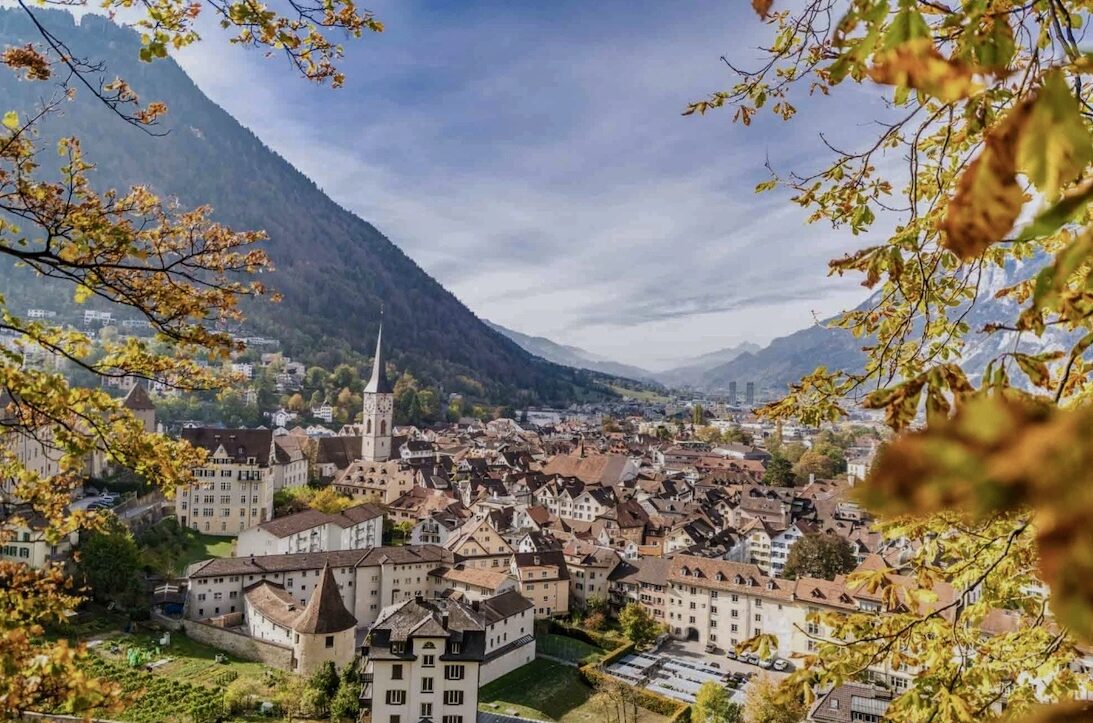
Para conhecer a Suíça em estado líquido, é boa ideia começar a viagem em Chur. À porta dos Alpes, a cidade mais antiga do país, com mais de cinco mil anos de história e cento e vinte fontes — entre ruas de pedra e torres medievais — homenageia o som da água como banda sonora de uma cidade que vive devagar, onde o tempo se dissolve.
To experience Switzerland in liquid form, it is a good idea to begin the journey in Chur. At the gateway to the Alps, the country’s oldest city, with over five thousand years of history and one hundred and twenty springs — amidst cobbled streets and medieval towers — pays homage to the sound of water as the soundtrack of a city that lives slowly, where time dissolves.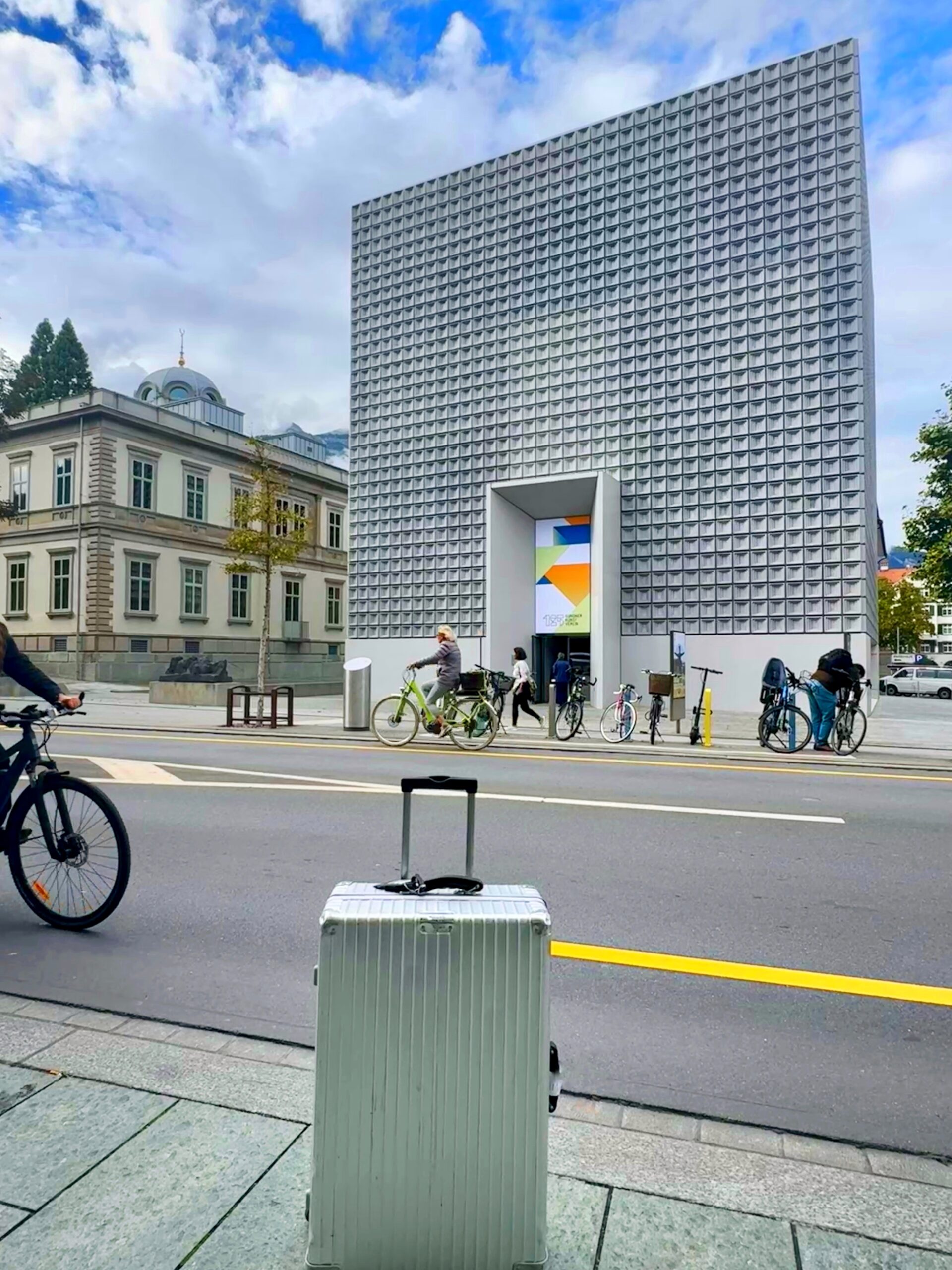

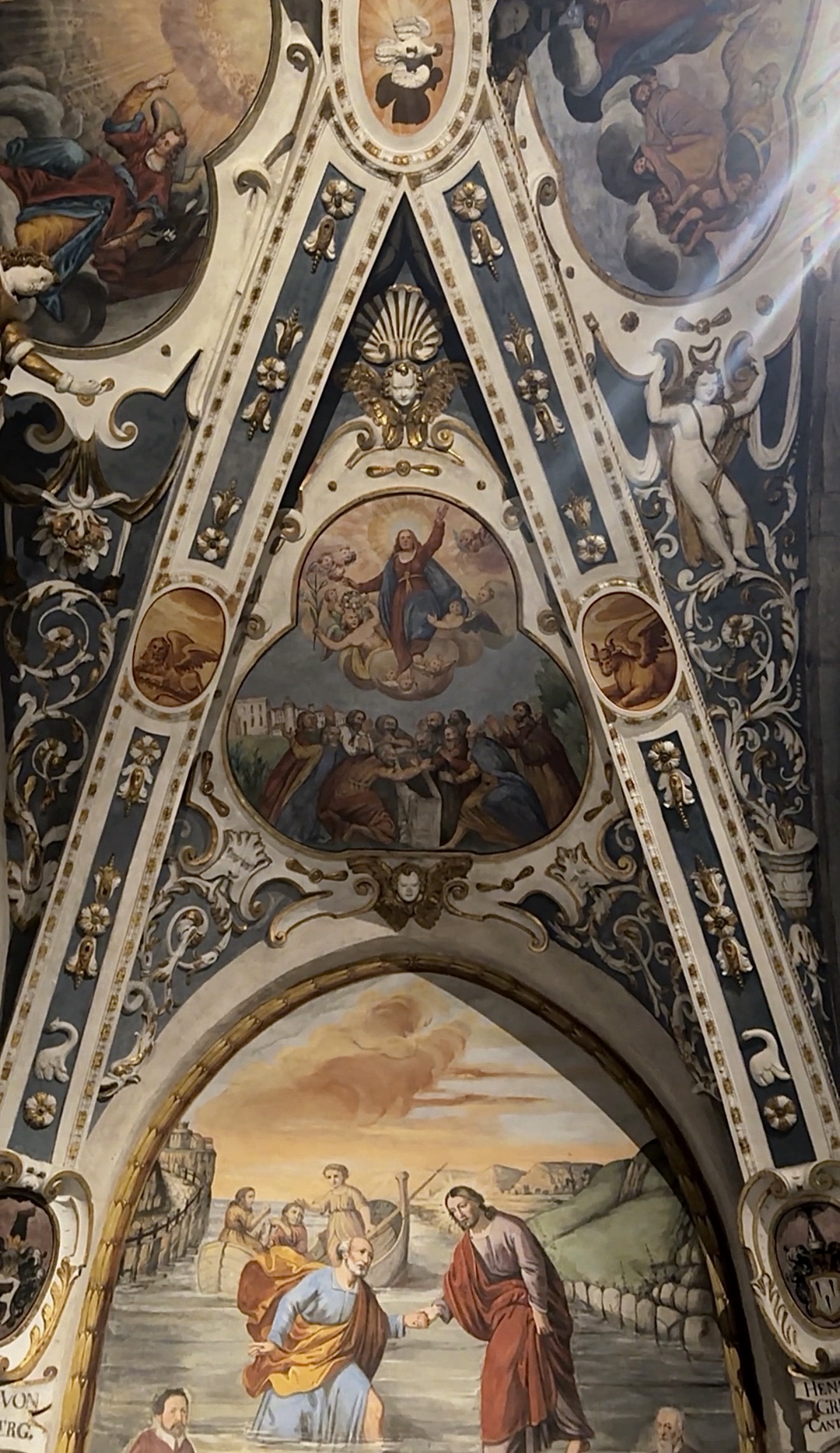
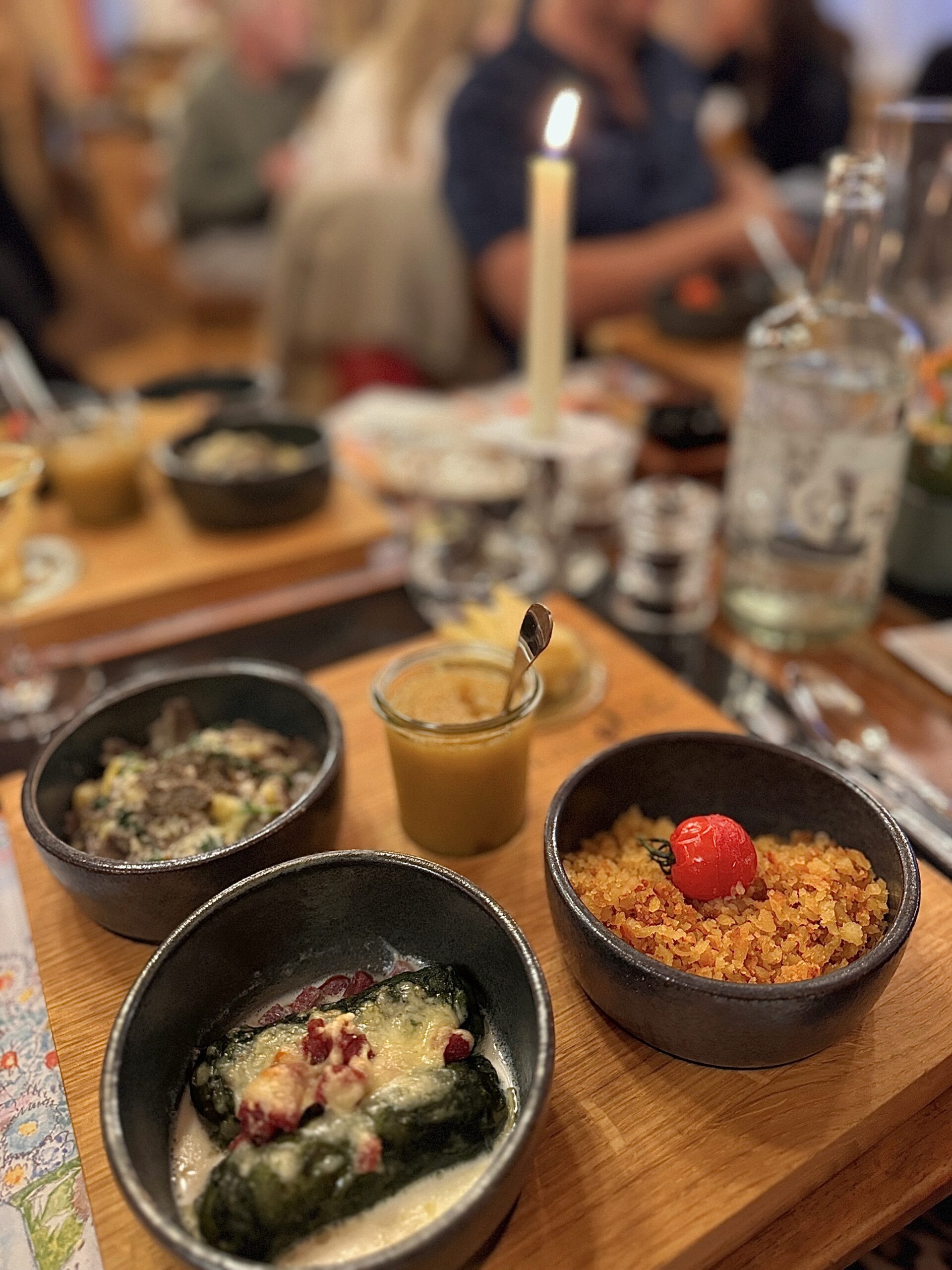
 De Chur, a paisagem ganha altitude nas encostas de Hasliberg Reuti, onde chalés de madeira se escondem entre prados e nascentes translúcidas que descem das montanhas. Cada gota de água conta uma história de resiliência e respeito pelo ambiente — para os suíços, a sustentabilidade é há já alguns anos, instinto e não moda.
From Chur, the landscape rises along the slopes of Hasliberg Reuti, where wooden chalets nestle among meadows and translucent springs that flow down from the mountains. Every drop of water tells a story of resilience and respect for the environment — for the Swiss, sustainability has long been instinct rather than trend.
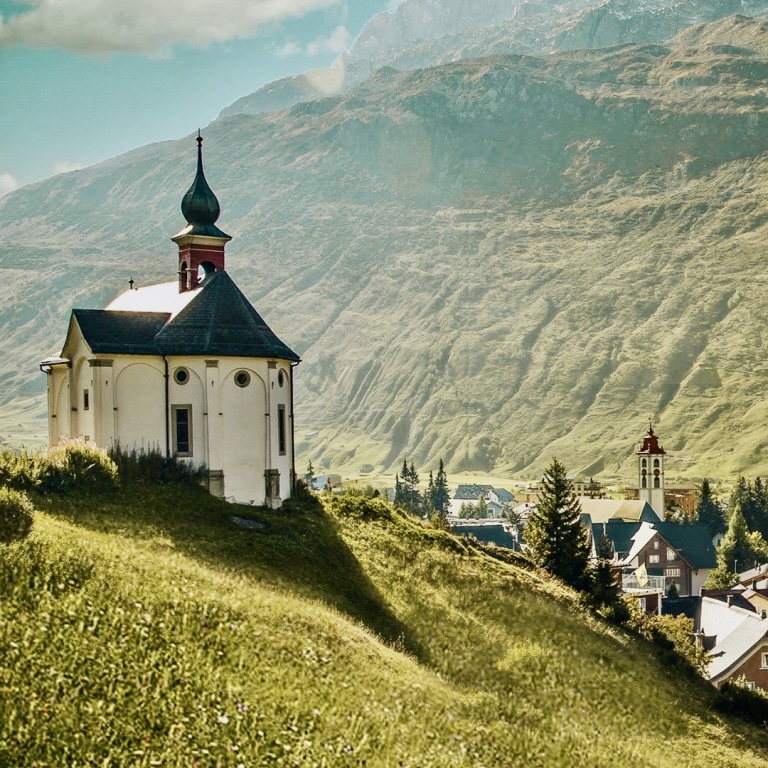
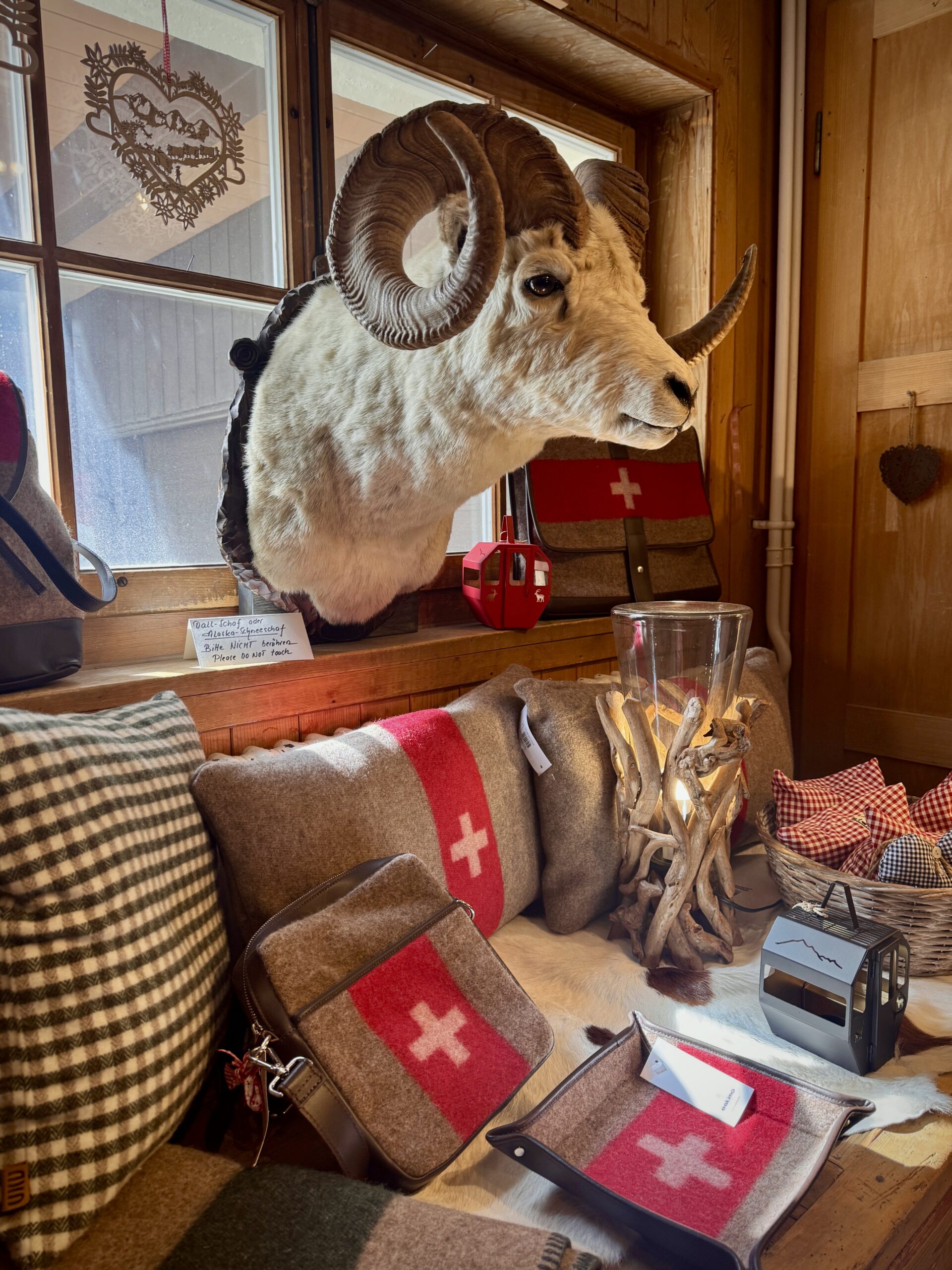

Seguir viagem com o icónico Glacier Express é acompanhar a beleza da sinfonia em andamento. O lendário comboio percorre duzentos e noventa e um quilómetros, atravessa noventa e um túneis e duzentas e noventa e uma pontes, ligando Zermatt a St. Moritz num percurso que desafia a imaginação. De um lado, vales e ravinas escavadas pelo tempo; do outro, glaciares e quedas de água que lembram o poder primordial da Terra. É uma travessia que combina tecnologia e contemplação, mas sobretudo poesia — imensa poesia. Como se a mobilidade fosse moldada para sentir o compasso das montanhas, como se o comboio fosse o maestro que conduz a paisagem.
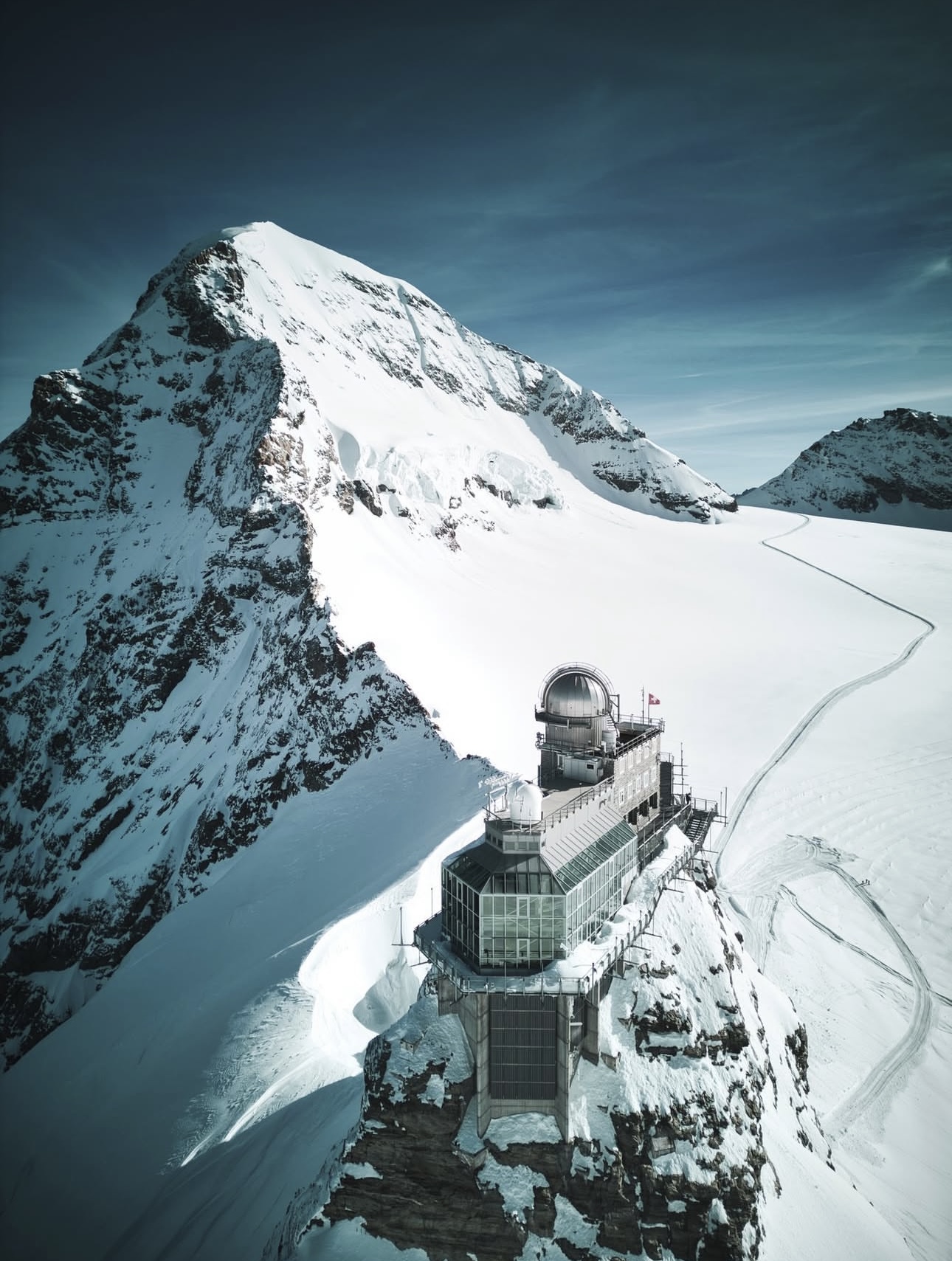
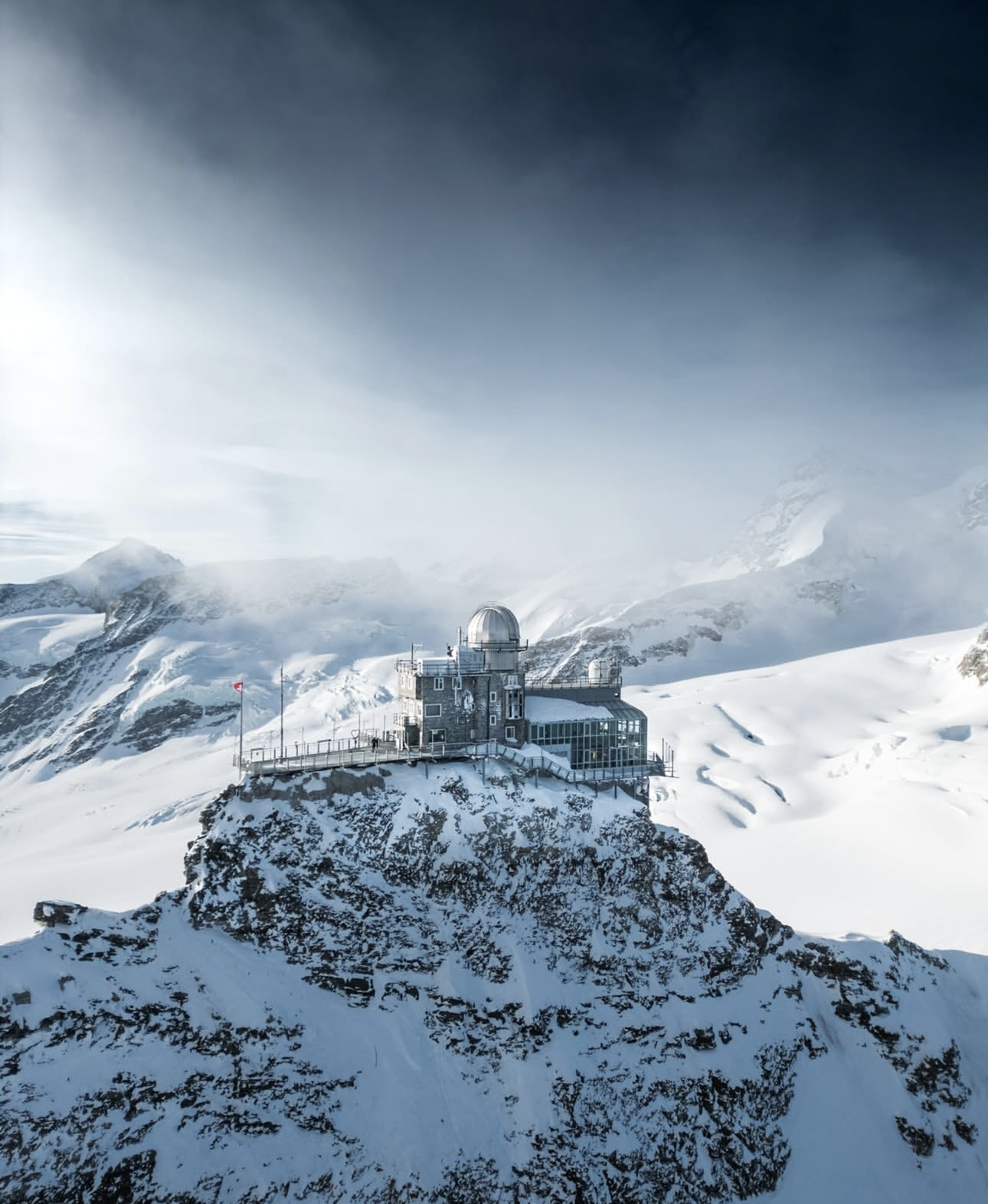
O olhar estende-se até à majestosa cordilheira da Jungfrau, com os seus picos eternamente brancos, glaciares imponentes e o comboio que sobe até aos três mil quatrocentos e cinquenta e quatro metros da estação mais alta da Europa — um cenário onde o céu e o gelo parecem tocar-se. A viagem até à Jungfraujoch é uma experiência quase mística, onde sentimos o respirar da montanha — o som metálico do comboio misturado com o eco do vento e o brilho dos glaciares. Ao chegar ao topo, o mundo transforma-se num silêncio branco absoluto. O observatório Sphinx oferece uma vista de 360º sobre o mar de gelo, enquanto o Ice Palace, esculpido no coração do glaciar, revela esculturas que parecem suspensas no tempo. É um encontro entre o sublime e o humano, entre a força imutável da natureza.
Continuing the journey aboard the iconic Glacier Express is to follow the beauty of a symphony in motion. The legendary train covers 291 kilometres, passes through 91 tunnels and 291 bridges, linking Zermatt to St. Moritz on a route that defies imagination. On one side, valleys and ravines carved by time; on the other, glaciers and waterfalls that evoke the Earth’s primordial power. It is a passage that blends technology and contemplation, but above all, poetry — immense poetry. As if mobility itself were shaped to feel the rhythm of the mountains, as if the train were the conductor guiding the landscape.
The gaze stretches to the majestic Jungfrau range, with its eternally white peaks and imposing glaciers, as the train climbs to 3,454 metres at Europe’s highest railway station — a scene where sky and ice seem to touch. The journey to Jungfraujoch is almost mystical, where one feels the mountain breathe — the metallic sound of the train mingling with the echo of the wind and the glint of the glaciers. At the summit, the world transforms into an absolute white silence. The Sphinx Observatory offers a 360º view over the sea of ice, while the Ice Palace, carved within the heart of the glacier, reveals sculptures that seem suspended in time. It is a meeting of the sublime and the human, of nature’s immutable strength.
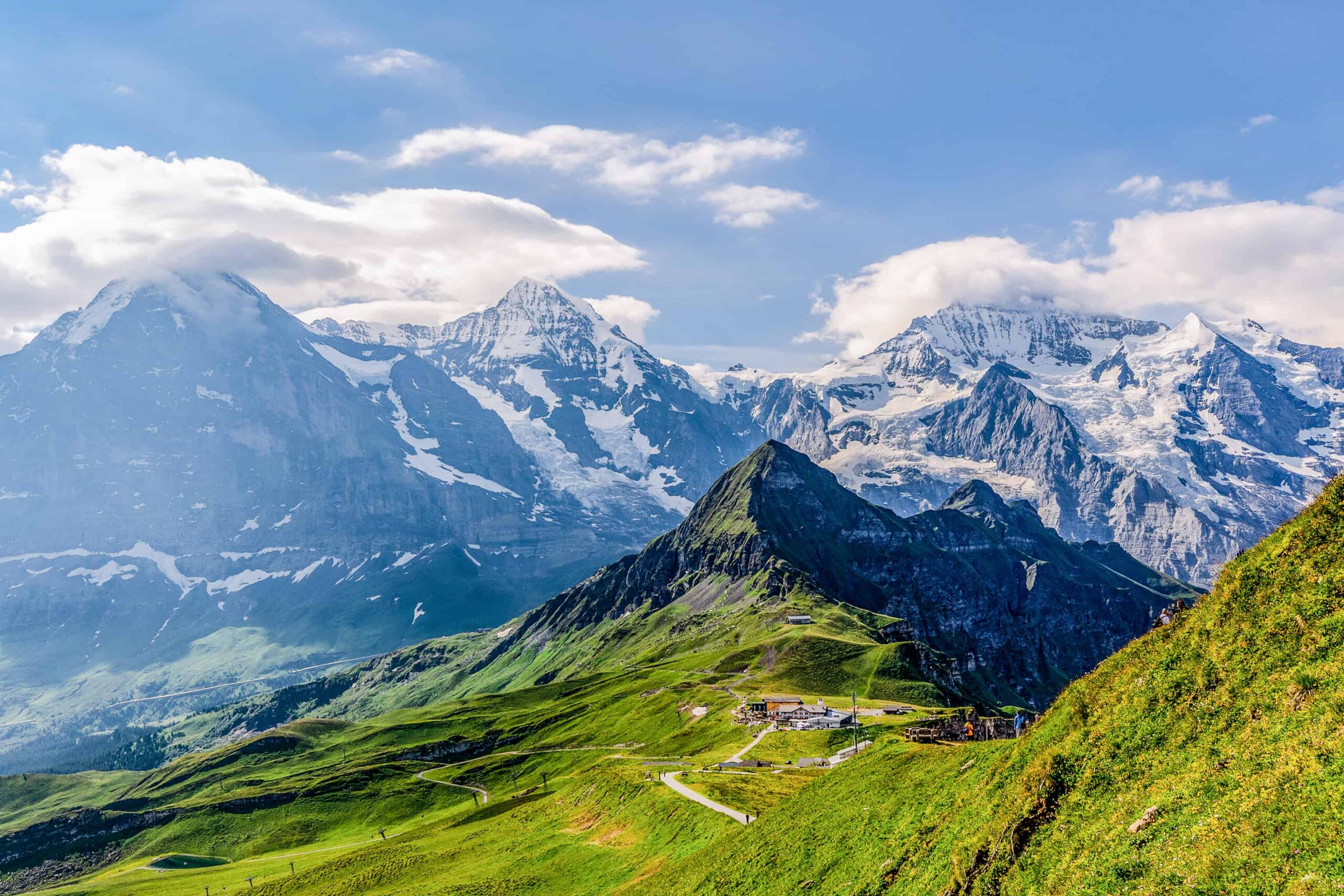
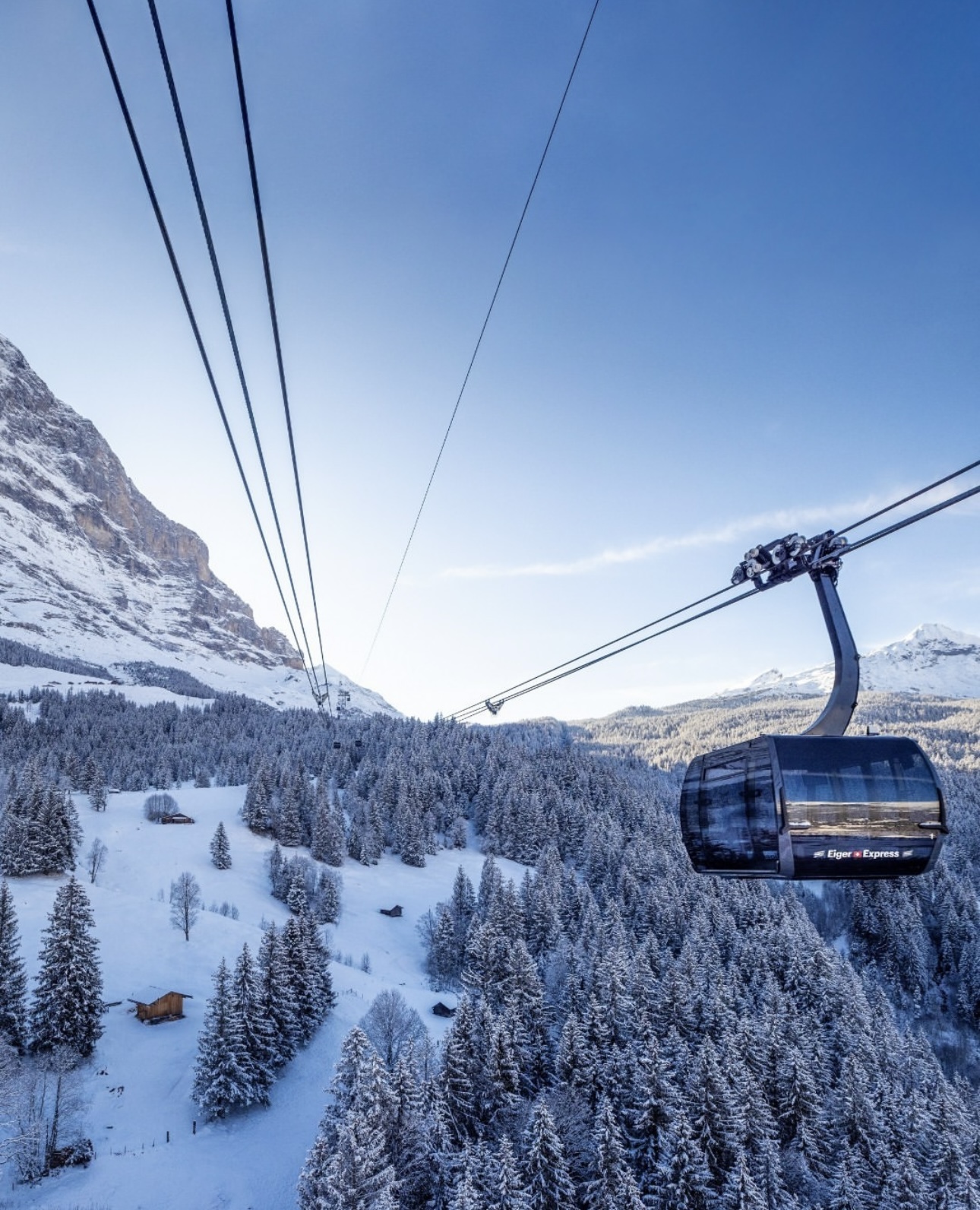
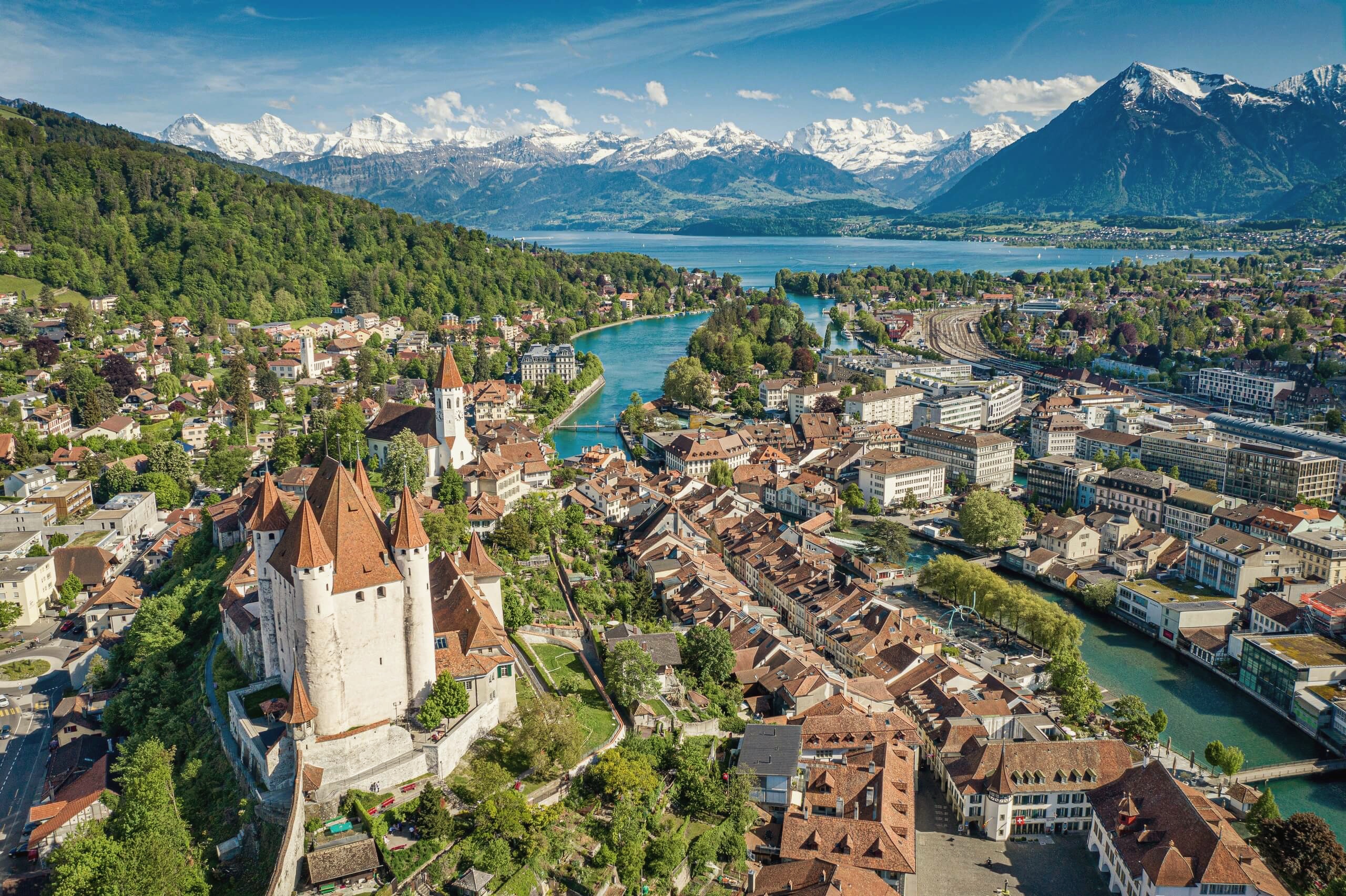
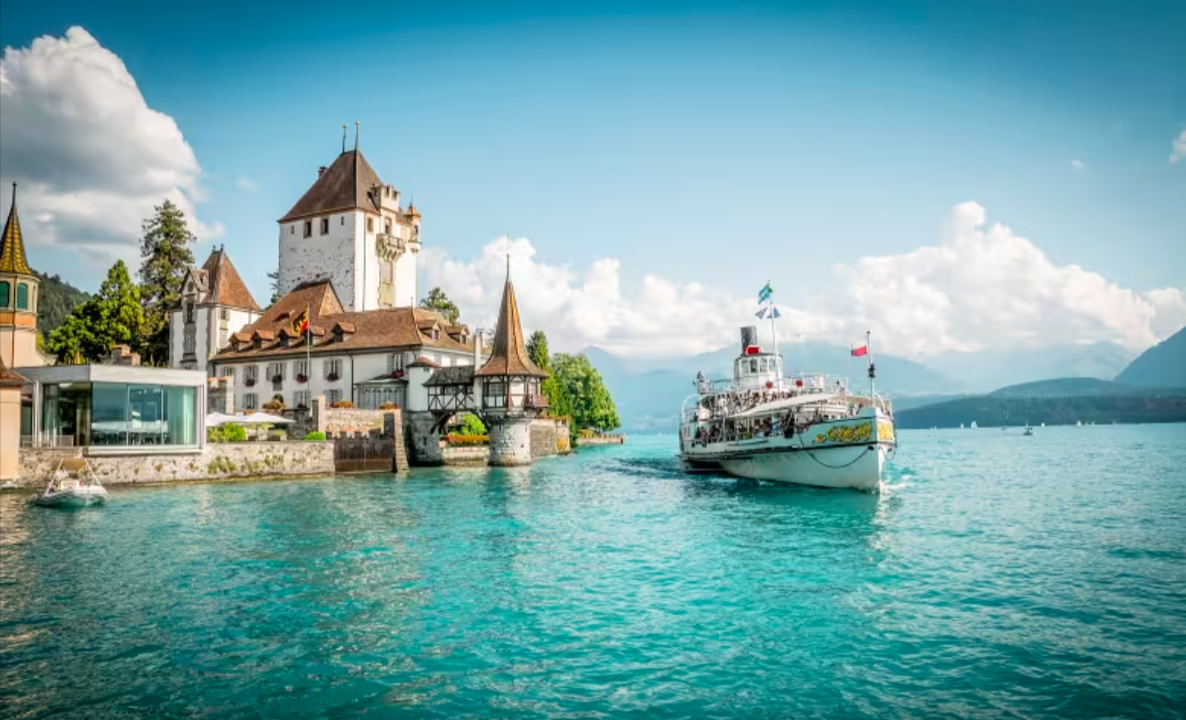
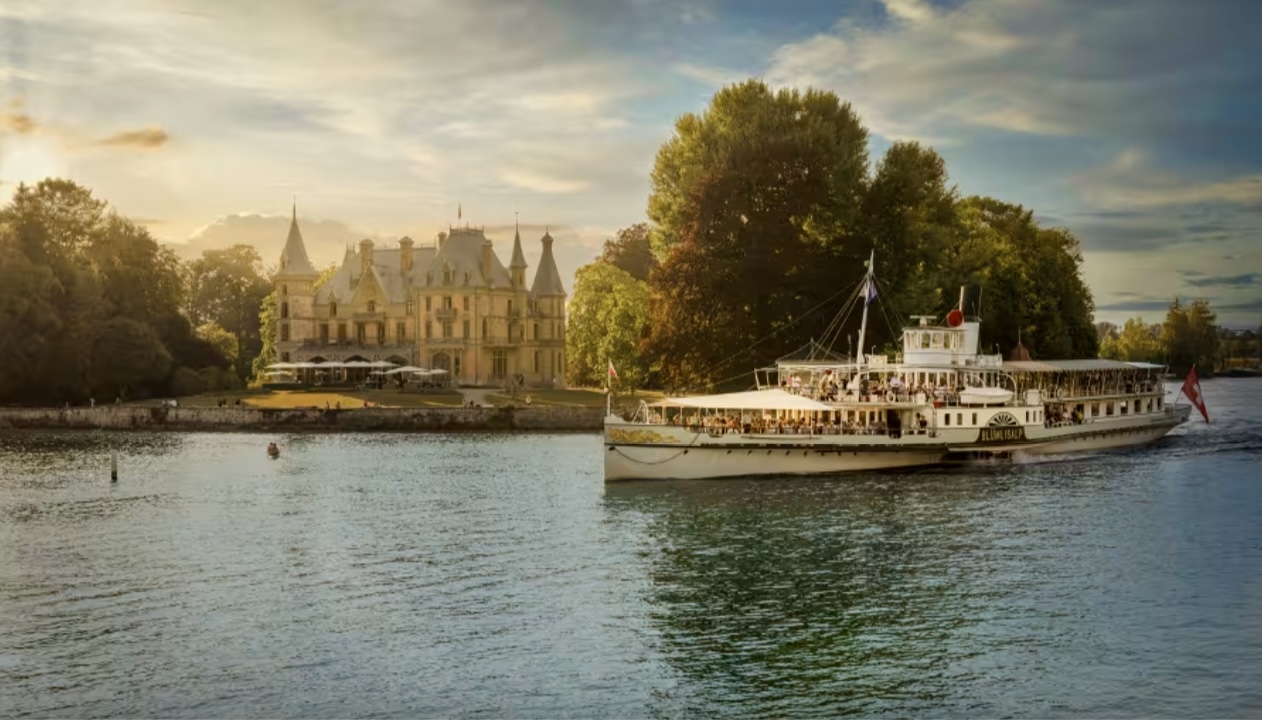
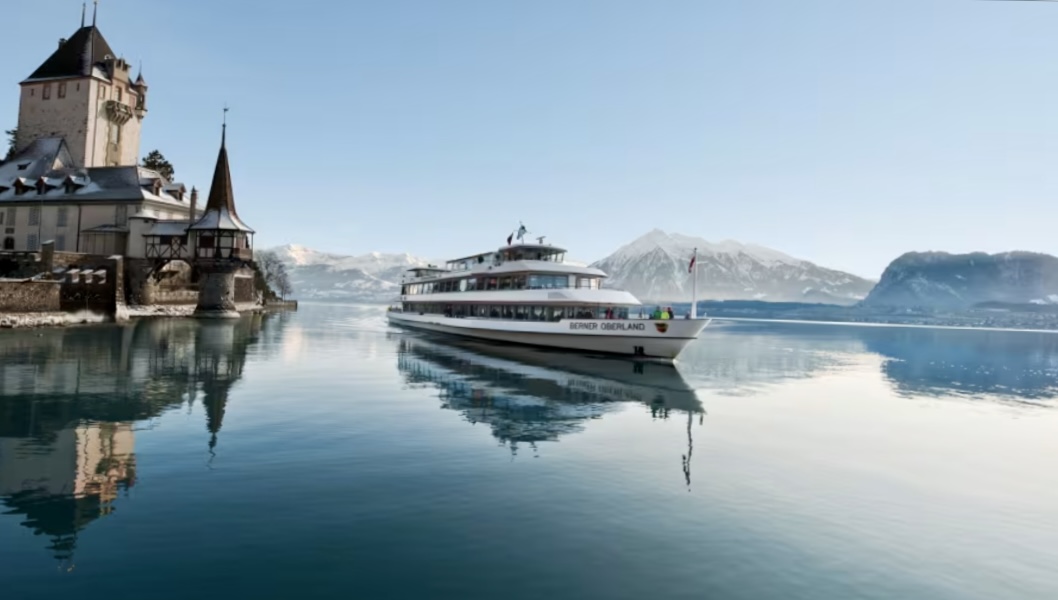 Interlaken surge como o movimento lento da obra: o adagio ou, em palavras comuns, um encontro com a serenidade. Se gosta da ideia de saltar de avião em queda livre, é aqui. O ponto onde as águas se encontram e o tempo abranda. Os lagos Thun e Brienz espelham montanhas e nuvens num jogo de reflexos que muda a cada instante e os tons verdes e azuis fundem-se num espelho que reflete a calma à beira do Lago Thun; vilas com palácios, cais e jardins à flor da água revelam o lado contemplativo do despretensioso luxo suíço — onde o verdadeiro privilégio é o silêncio, a luz natural e o tempo desacelerado. Aqui, a natureza não é cenário: é presença e extensão.
Interlaken emerges like the slow movement of a composition: the adagio, or in plain words, a meeting with serenity. If you enjoy the idea of skydiving in free fall, this is the place. The point where waters converge and time slows. Lakes Thun and Brienz mirror the mountains and clouds in a play of reflections that shifts with every moment, their greens and blues merging into a mirror that reflects calm by Lake Thun; towns with palaces, quays, and waterside gardens reveal the contemplative side of unassuming Swiss luxury — where true privilege lies in silence, natural light, and decelerated time. Here, nature is not merely a backdrop: it is presence and extension.