
Este artigo foi também publicado no Fora de Série
This article was also published in Fora de Série.
“One hour to change the world” é a proposta do novo centro de visitantes nas Nações Unidas em Genebra.
Vivemos no caos da dicotomia do mundo — um tempo em que a ordem e o desmoronamento coexistem sem avisos prévios, em que as fronteiras entre guerra e negociação, verdade e narrativa, homem e natureza, parecem cada vez mais porosas.
“If you’re going through hell, keep going” (Se estás a atravessar o inferno, continua a caminhar), lembrava Churchill, em tempos em que o mundo ainda cabia na clareza dura das decisões. Hoje, o desafio é outro: atravessar a complexidade sem perder a lucidez. E talvez seja por isso que Genebra volta a ganhar: uma relevância magistralmente silenciosa — como se fosse um mecanismo de relógio em equilíbrio, num sistema global instável.
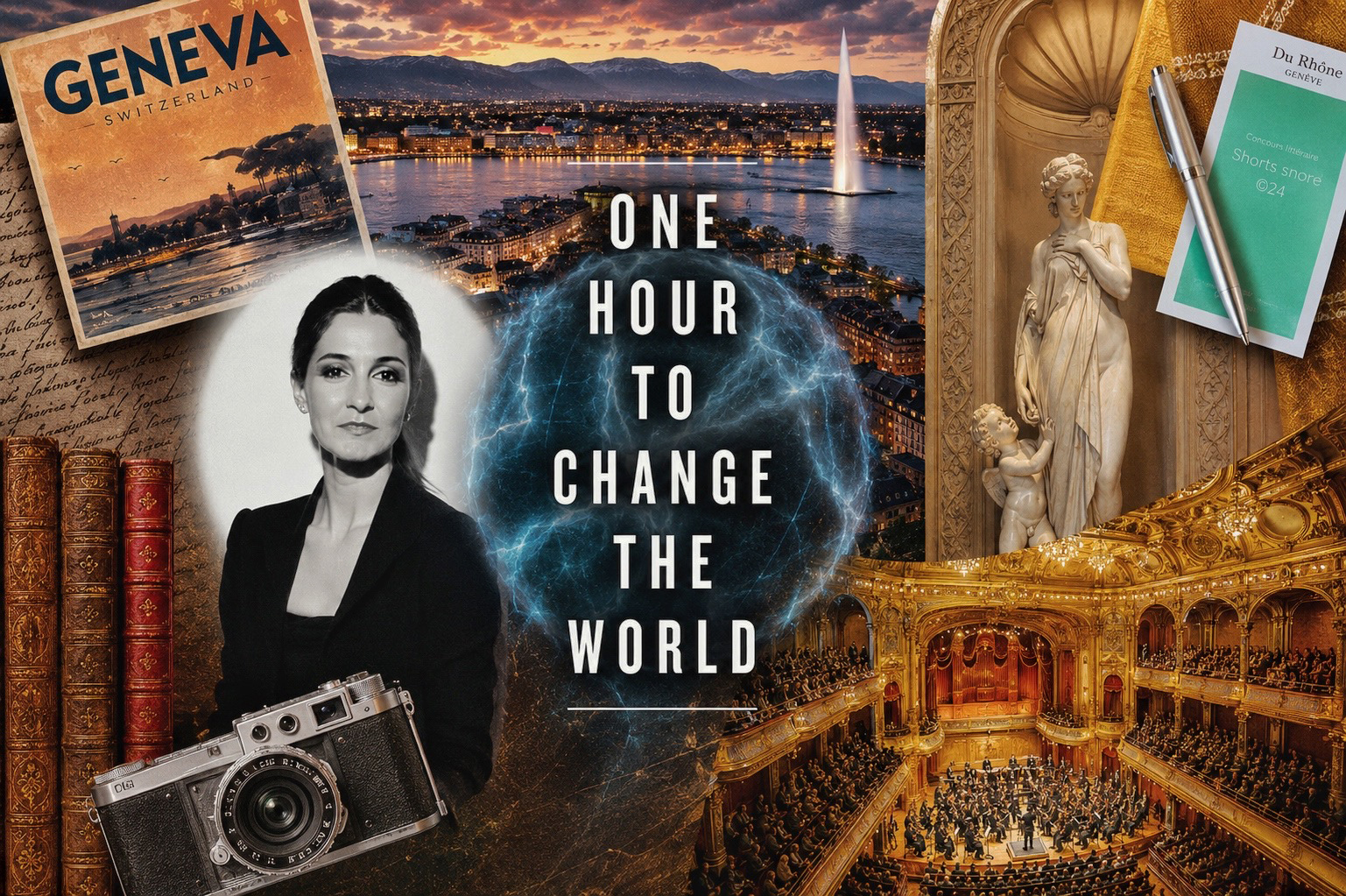
Genebra, como morada de muitos órgãos das Nações Unidas, pareceu-me uma ótima escolha estival. Num tempo em que o caos do mundo impera, a cidade não se entrega à primeira leitura, não seduz pelo excesso nem pela monumentalidade — e é por isso que me encantei, muito mais do que com Zurique. Falar bem a língua francesa ajuda bastante, mas, observando o lado bom do espartilho alemão, Genebra é mais feminina, calorosa e glamorosa.
A imagem de estabilidade que hoje define a cidade nem sempre existiu. Poucos sabem que Genebra foi destruída por um tsunami no século VI. O desabamento de uma enorme massa rochosa no lago, perto de Montreux, provocou uma onda que chegou à cidade com oito a doze metros de altura. Ainda hoje, nas caves de alguns edifícios, permanecem vestígios das casas derrubadas. Uma memória inesperada que nos relembra que até os lugares que hoje simbolizam equilíbrio nasceram um dia de desmoronamento e destruição.
Geneva, home to many United Nations bodies, struck me as an excellent choice for a summer escape. At a time when the world seems engulfed in chaos, the city does not reveal itself at first glance. It does not seek to impress through excess or grandeur—and that is precisely why it captivated me, far more than Zurich.
Being fluent in French certainly helps, but, looking on the bright side of the Germanic straitjacket, Geneva feels more feminine, warmer and more glamorous.
The image of stability that defines the city today has not always been its reality. Few people know that Geneva was devastated by a tsunami in the sixth century. The collapse of a vast rock mass into the lake near Montreux triggered a wave that reached the city at a height of between eight and twelve metres. Even today, the cellars of some buildings still contain traces of the houses that were swept away. It is an unexpected reminder that even places which have come to symbolise balance and stability were once born out of collapse and destruction.
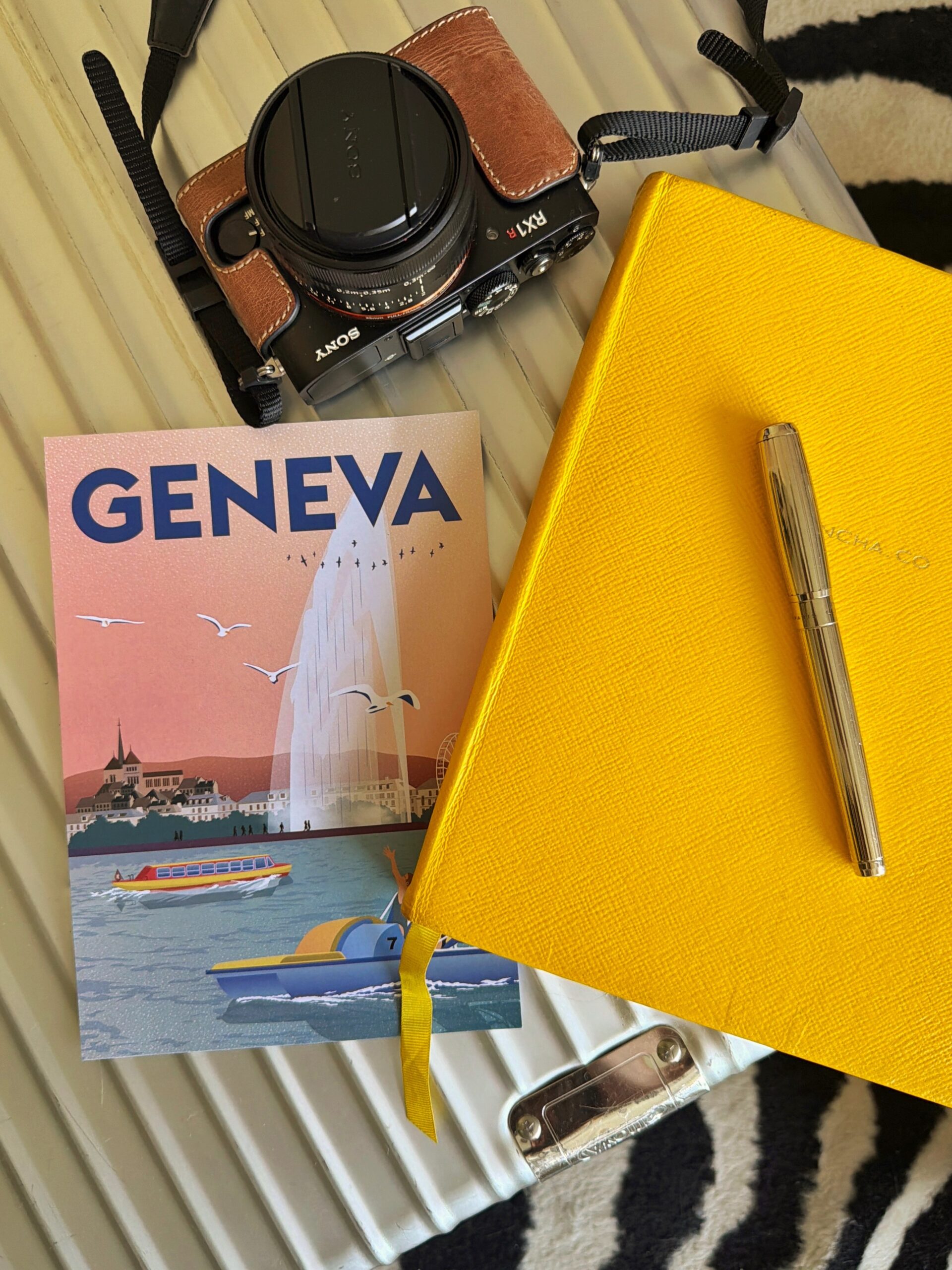
Muito internacional, Genebra é uma cidade que pede tempo, devolvendo uma forma rara de entendimento do mundo. Aqui, tudo parece desenhado para reduzir a fricção: entre pessoas, entre instituições, entre natureza e arquitetura. Mas por trás dessa suavidade aparente existe uma das engrenagens mais densas da diplomacia global, que acaba de inaugurar um novo centro para visitantes, disposto a explicar uma importante mensagem a um planeta em caos.
Profoundly international, Geneva is a city that rewards those willing to linger, offering in return a rare way of understanding the world. Here, everything seems designed to reduce friction: between people, between institutions, between nature and architecture. Yet beneath this apparent gentleness lies one of the world’s most intricate centres of global diplomacy, which has just opened a new visitors’ centre dedicated to conveying a vital message to a world in turmoil.
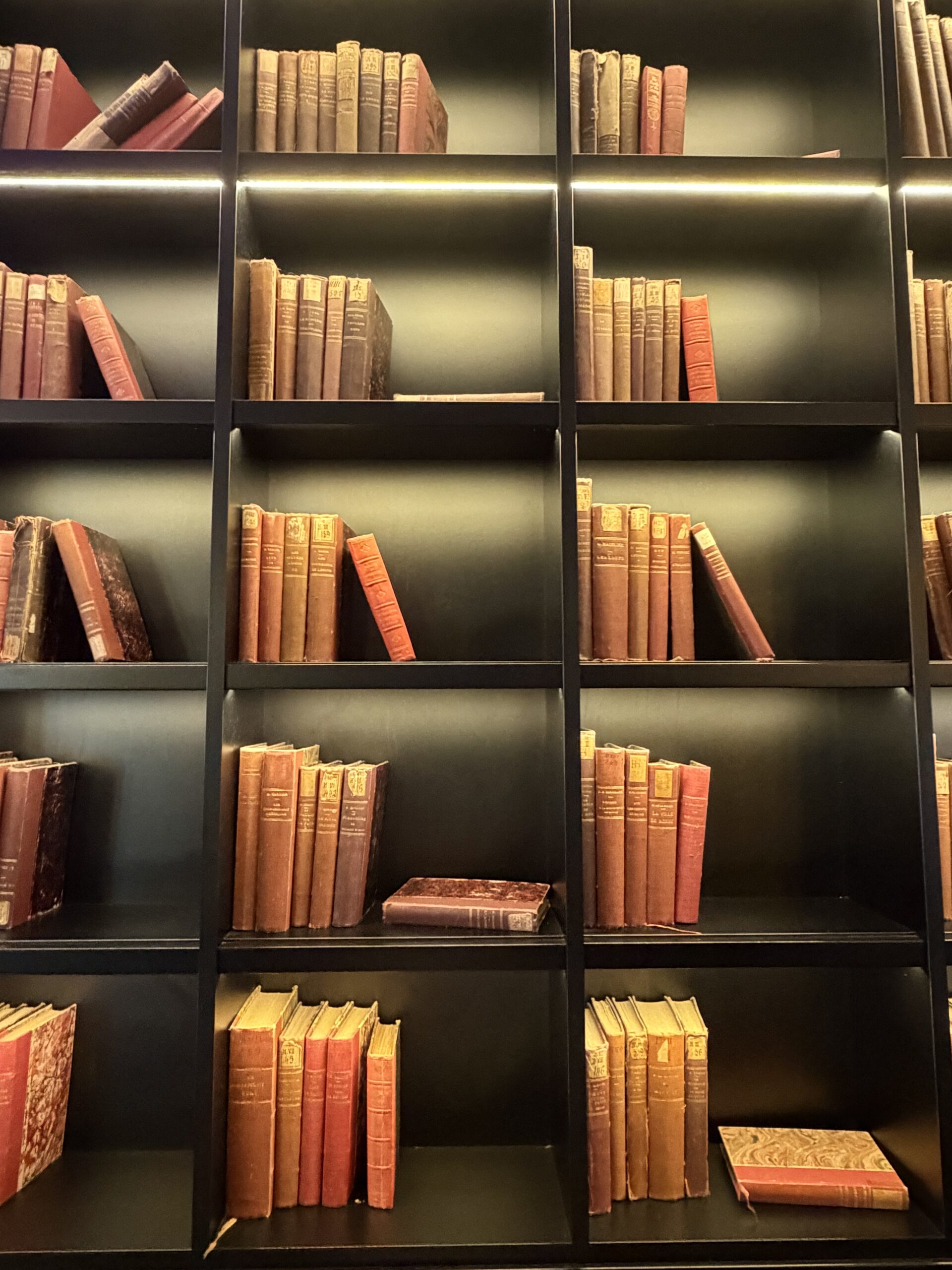
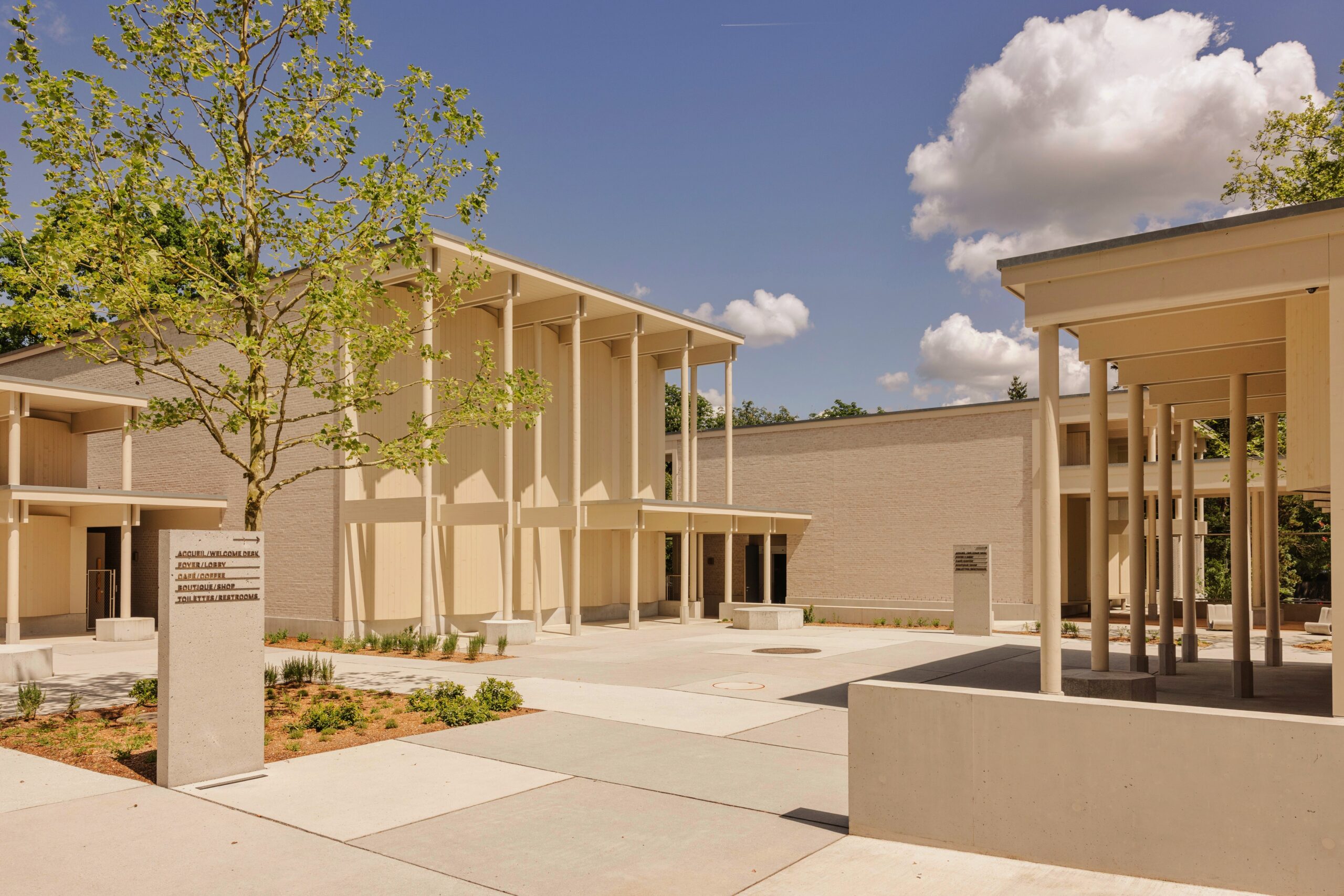
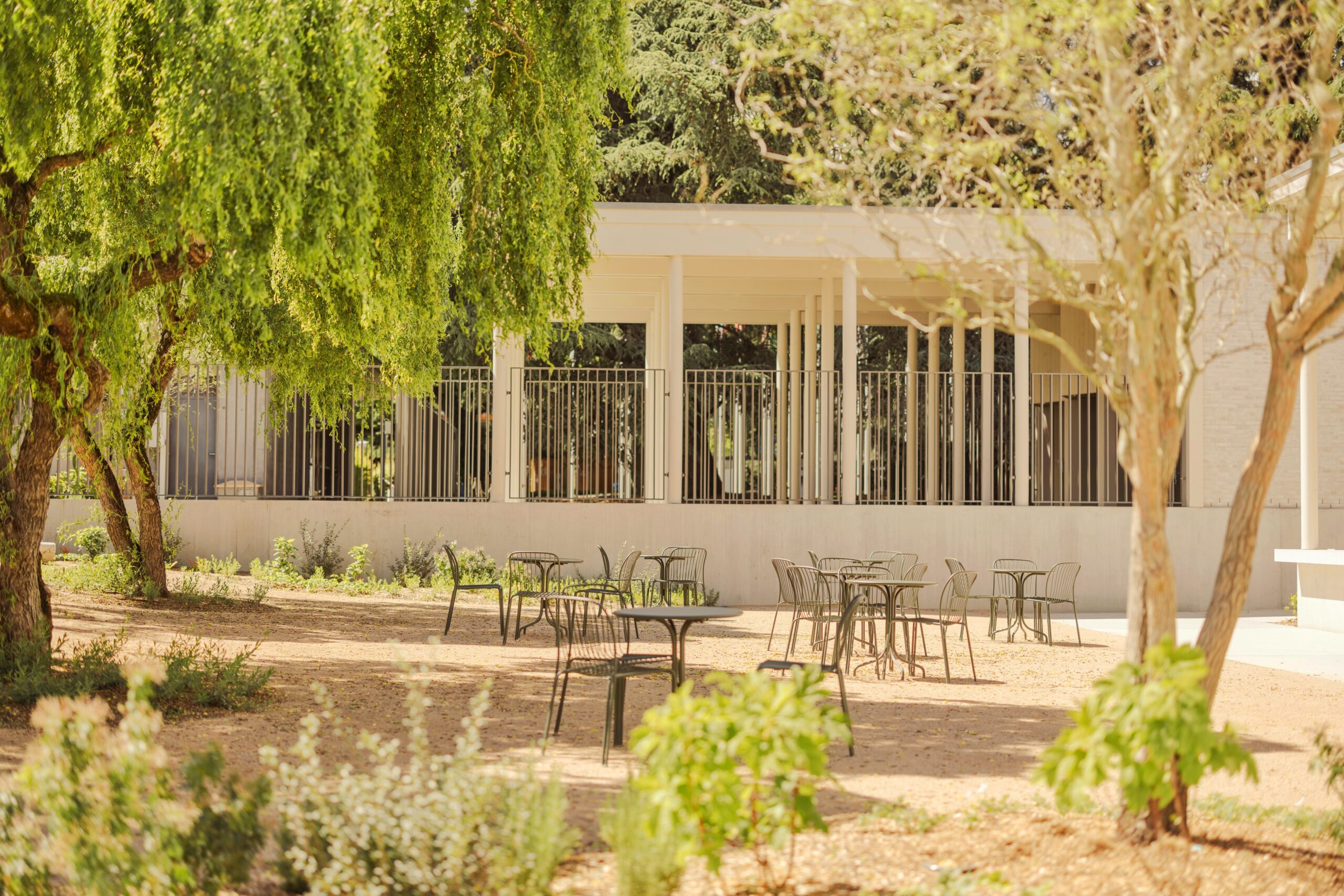
O novo Centro de Visitantes da ONU, Portail des Nations, não é apenas um edifício de média dimensão com um espaço expositivo. Mais do que paredes erguidas nas imediações das Nações Unidas, é uma tentativa de tornar visível aquilo que, por natureza, é invisível: o processo de negociação internacional.
Numa altura em que o mundo se fragmenta em blocos de linguagem e de poder, esta morada propõe um gesto quase radical — explicar como se constrói um entendimento entre diferenças. A experiência imersiva “Together” organiza-se como uma travessia conceptual. Primeiro, o encontro: Estados soberanos que chegam com histórias, interesses e sistemas jurídicos profundamente distintos. Depois, o conhecimento: a teia silenciosa de peritos, dados, organizações e agências que sustentam decisões sobre clima, saúde global, migrações, conflitos e desenvolvimento. Por fim, a decisão: o momento em que a diplomacia deixa de ser abstrata e se torna humana — negociada, imperfeita, mas sempre, sempre possível.
The United Nations’ new Visitors Centre, the Portail des Nations, is far more than a medium-sized building housing an exhibition space. More than a structure erected on the doorstep of the UN, it is an attempt to make visible what is, by its very nature, invisible: the process of international negotiation.
At a time when the world is splintering into competing blocs of language and power, this place proposes what feels like an almost radical gesture—to explain how understanding is forged across difference. The immersive exhibition, Together, unfolds as a conceptual journey. First comes the encounter: sovereign states arriving with profoundly different histories, interests and legal systems. Then comes knowledge: the intricate, largely unseen network of experts, data, organisations and agencies that underpins decisions on climate, global health, migration, conflict and development. Finally comes decision-making: the moment when diplomacy ceases to be an abstraction and becomes deeply human—negotiated, imperfect, yet always, always possible.
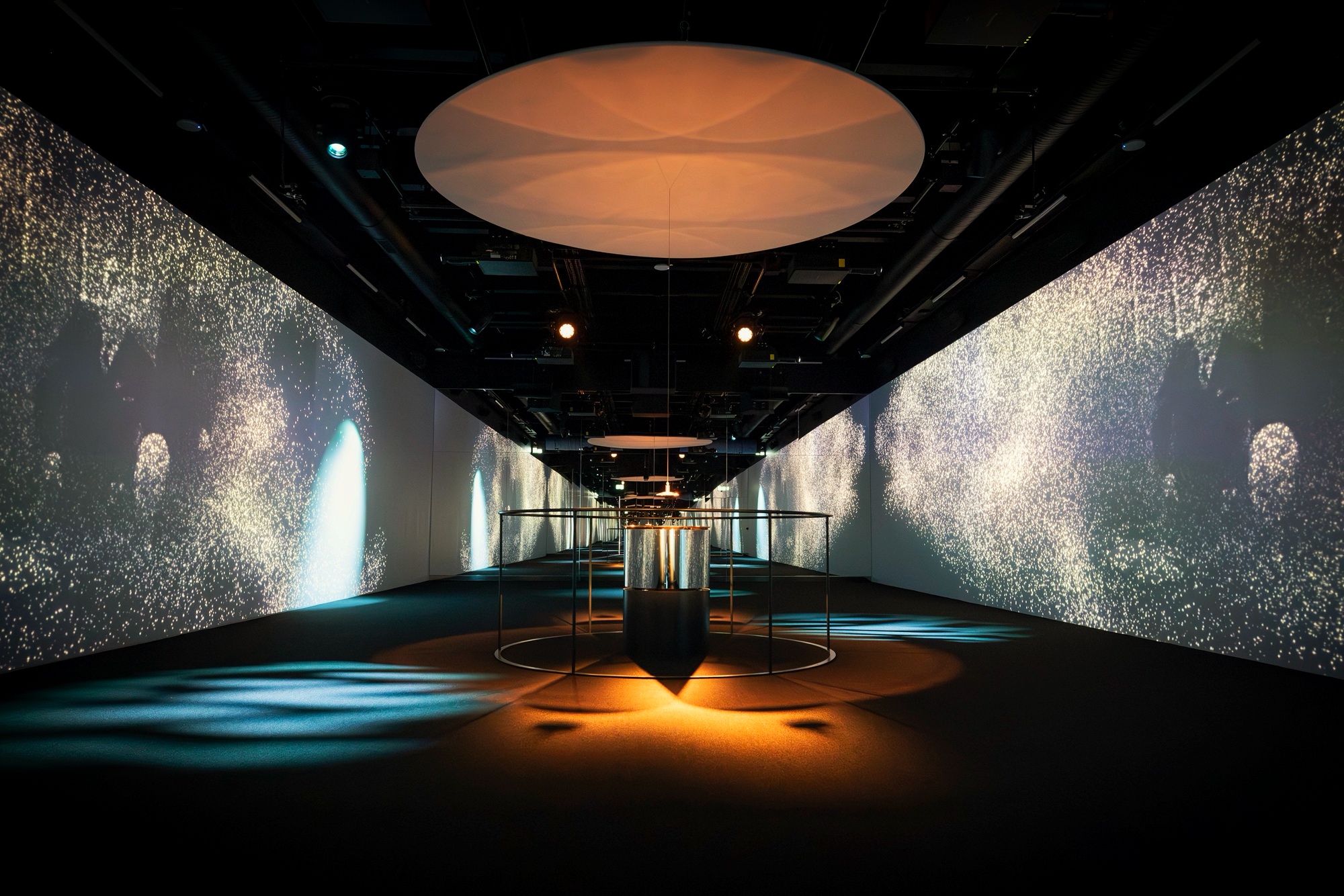
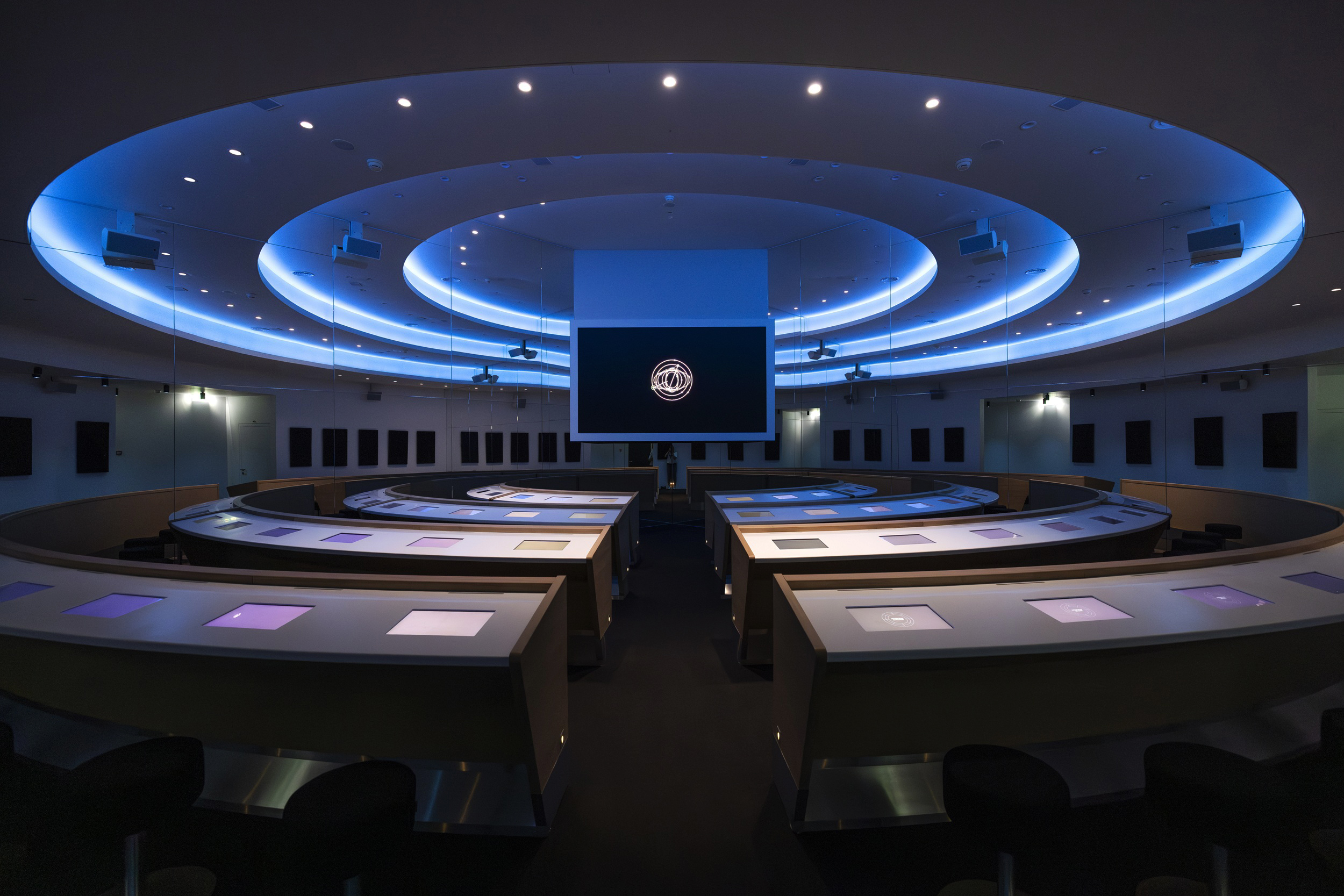
Porque compreender o funcionamento da cooperação internacional é compreender também a fragilidade daquilo a que chamamos ordem mundial. O conjunto arquitetónico, desenhado pelo atelier genebrino Charles Pictet Baptiste Broillet Associés, materializa uma visão de Ivan Pictet, presidente da Fundação Portail des Nations, que idealizou e financiou aquele que talvez seja hoje o mais ambicioso projeto de aproximação entre o público e as Nações Unidas. O centro convida-nos a uma experiência para, numa hora, mudarmos o mundo. Pessoalmente, na penúltima sala, sentada a observar o último vídeo, cumpre-me afirmar que, mais do que uma experiência interativa, é sobretudo uma viagem emocional para corações sensíveis — mas sempre obrigatória a todo e qualquer viajante que visite Genebra.
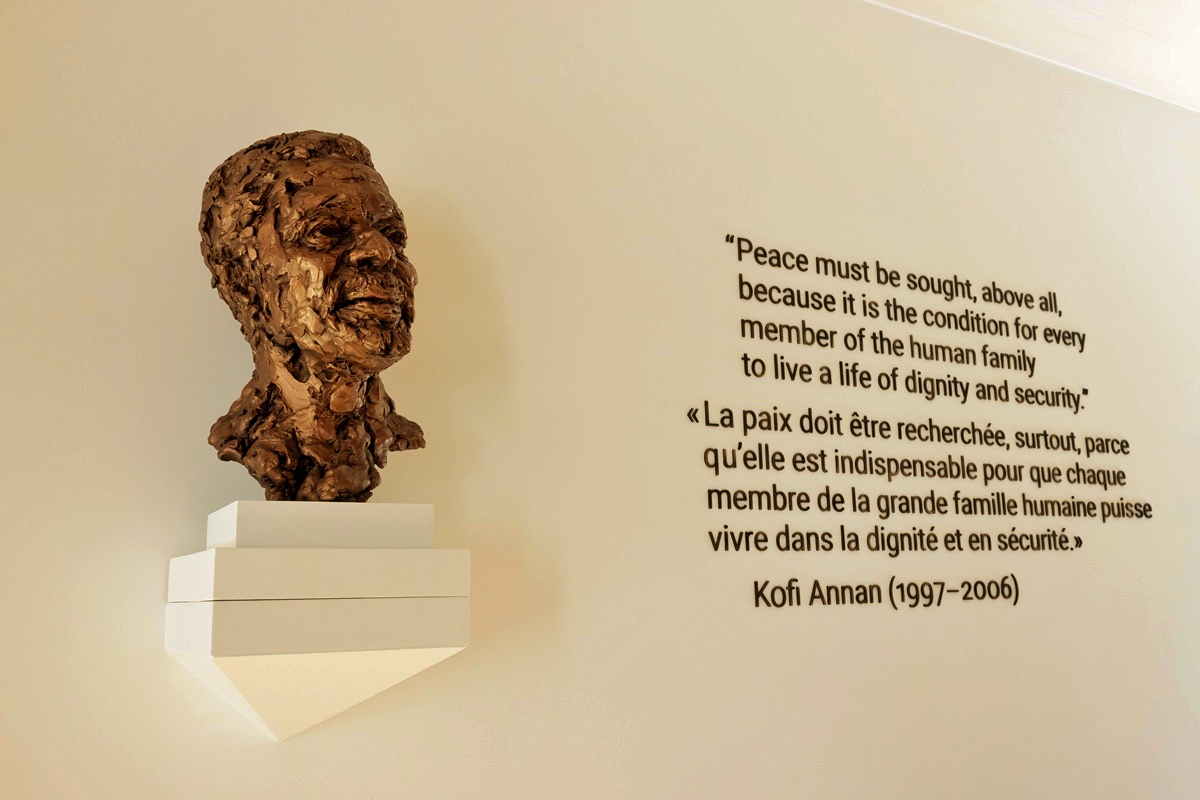
Não por acaso, António Guterres considera que este será um abrir de caminho para maior lucidez. Na cerimónia de conclusão da obra, o secretário-geral das Nações Unidas recordou que cerca de duzentos mil visitantes passarão anualmente por este espaço para compreender como o trabalho da organização influencia diariamente a vida das pessoas e do planeta. Mais do que um centro de visitantes, Guterres descreveu-o como “uma porta para a paz, uma ponte para a justiça e para a oportunidade”, capaz de transformar consciência em participação e de levar a mensagem das Nações Unidas para muito além de Genebra.
To understand how international cooperation functions is also to understand the fragility of what we call the world order. Designed by the Geneva architectural practice Charles Pictet Baptiste Broillet Associés, the building gives physical form to the vision of Ivan Pictet, President of the Portail des Nations Foundation, who conceived and financed what may well be the most ambitious initiative yet to bring the public closer to the work of the United Nations. The centre invites visitors to embark on an experience that promises, in the space of an hour, to change the world. For me, sitting in the penultimate gallery watching the final film, it became clear that, more than an interactive exhibition, it is above all an emotional journey for sensitive hearts—one that should be considered essential for anyone visiting Geneva.
It is no coincidence that António Guterres believes the centre marks the beginning of a more enlightened public understanding. At the inauguration ceremony, the United Nations Secretary-General noted that around 200,000 visitors are expected to pass through the centre each year, gaining insight into how the organisation’s work shapes the lives of people and the future of the planet on a daily basis. More than simply a visitors’ centre, Guterres described it as “a gateway to peace, a bridge to justice and opportunity”, capable of turning awareness into participation and carrying the message of the United Nations far beyond Geneva.
Genebra, a capital da paz, dos relógios e da cultura
Genebra respira serena ao ritmo do Lago Léman. Caminhar junto à água é quase um exercício involuntário de desaceleração. Bancos virados para o horizonte, ciclovias onde todos pedalam de forma leve e suave, mergulhos ao final do dia — uma cidade onde a arquitetura prefere acompanhar a paisagem em vez de competir com ela. Essa mesma lógica prolonga-se na sua dimensão invisível: organizações internacionais, missões diplomáticas e instituições humanitárias convivem num ecossistema onde o conflito não desaparece, mas é constantemente traduzido em linguagem negociável.
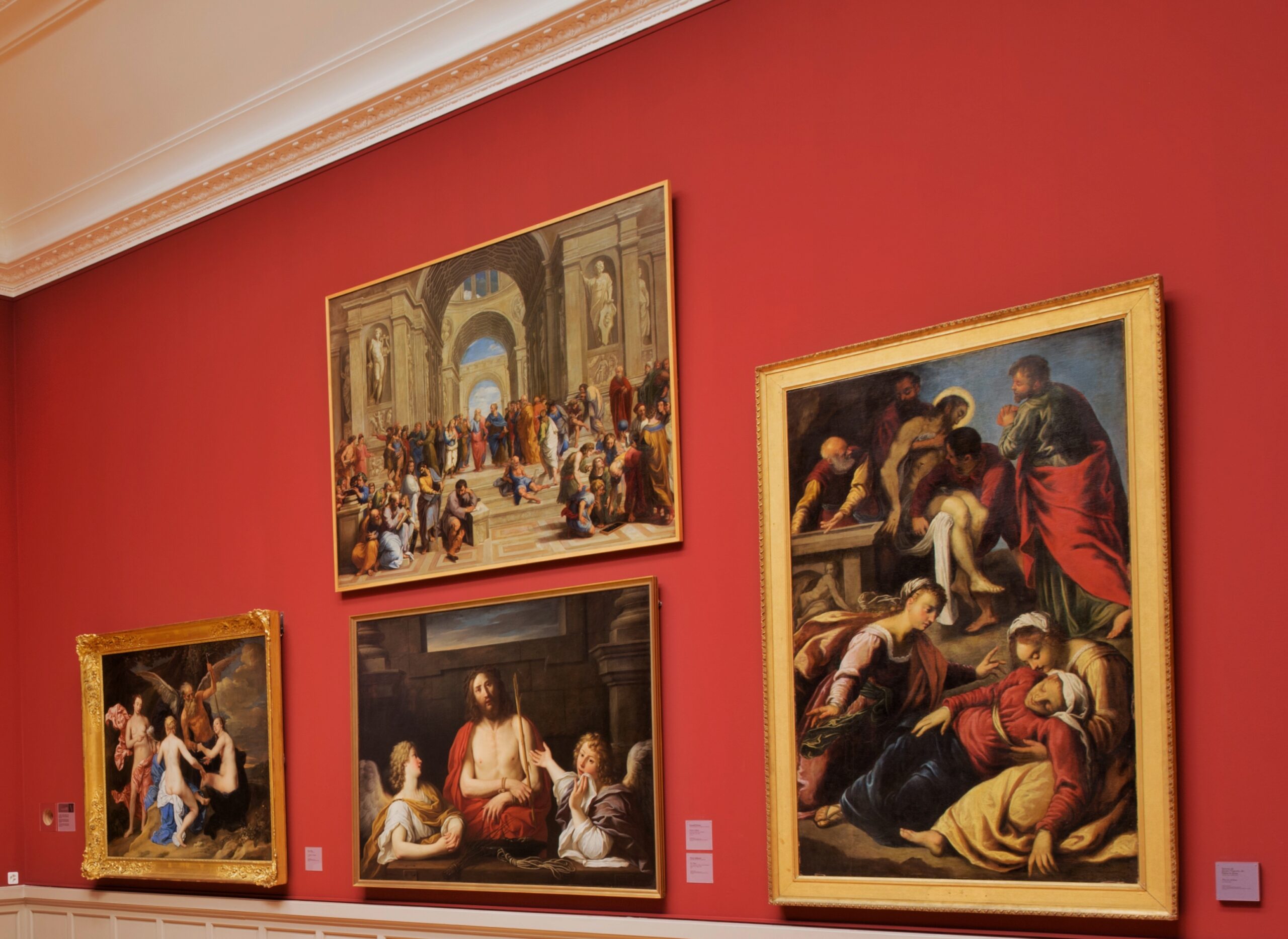
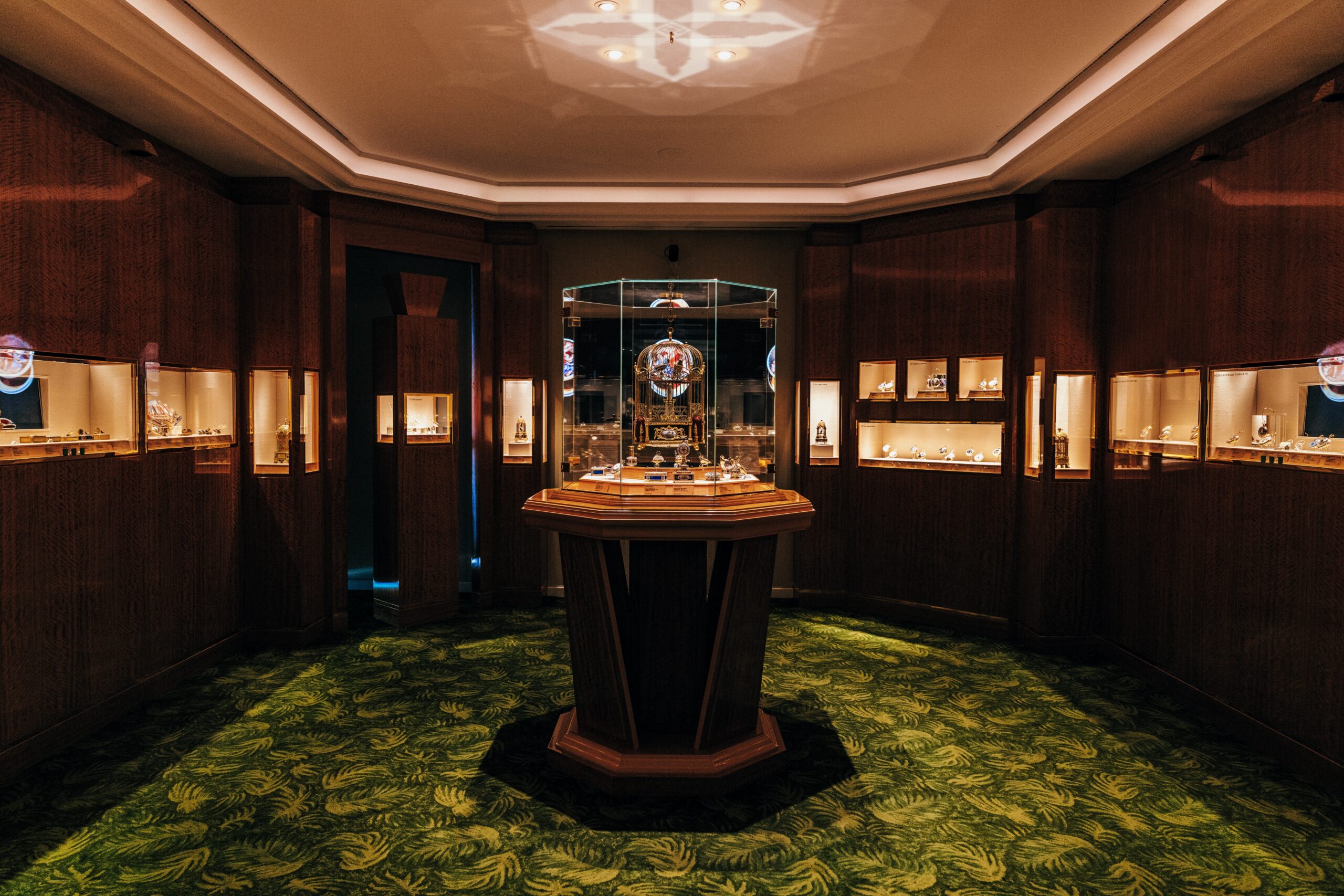
Essa diversidade intelectual alcança também os seus museus. Do Musée d’Art et d’Histoire de Genève, ao Mamco – Musée d’art moderne et contemporain, ao Patek Philippe Museum, onde a relojoaria se transforma numa reflexão sobre o tempo e a precisão, Genebra recorda-nos que a cultura é sempre uma forma de interpretar o mundo.
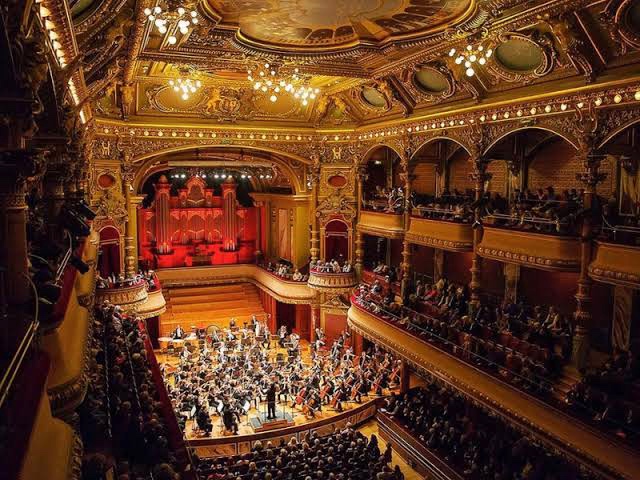
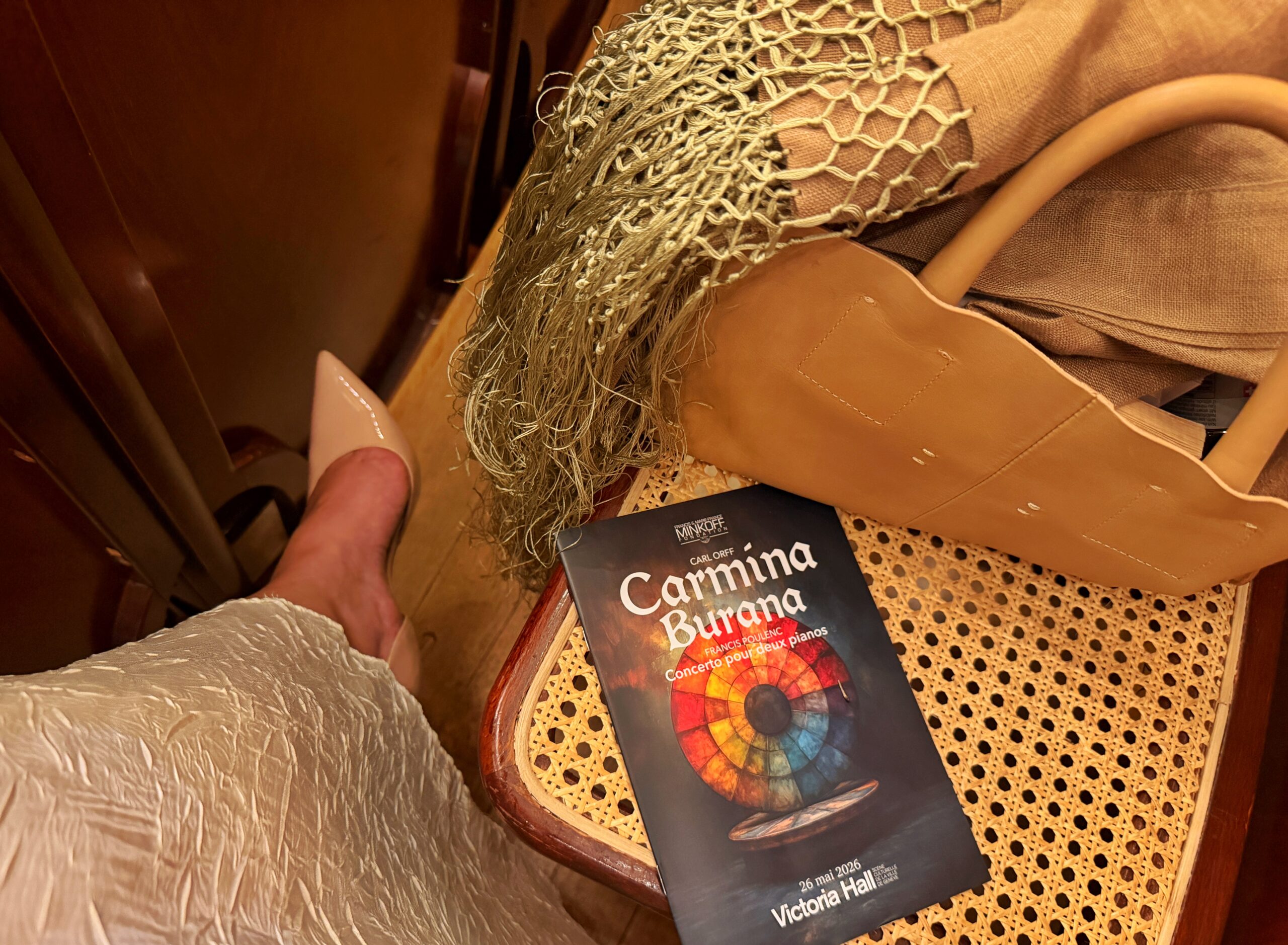
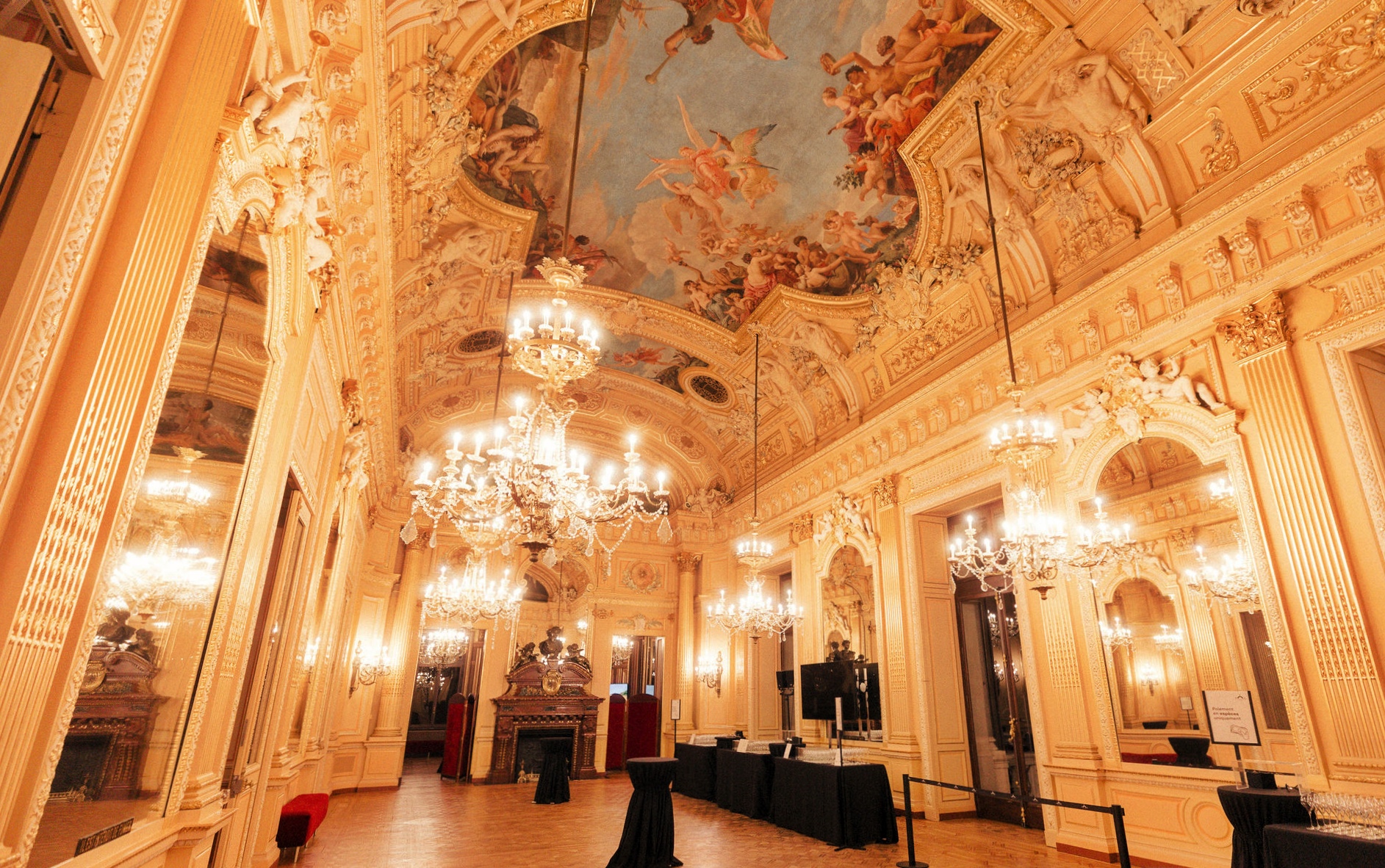
Entre muita oferta cultural destaco com a suspeita do meu lado melómano, o Victoria Hall, onde a música se torna quase matéria física: a acústica é tão precisa que o som parece ocupar o espaço antes mesmo de ser interpretado. Nesta sala edificada no século XIX, pelo arquiteto John Camoletti, a mando do antigo cônsul britânico Daniel Fitzgerald Packenham Barton, e que dedicou este espaço à Rainha Vitória, assistir à Carmina Burana, de Carl Orff, não foi apenas uma experiência estética, foi uma suspensão da confusão do mundo. Como se a loucura do planeta, por instantes, deixasse de interferir nas mentes agitadas confirmando a importância da cultura, essa rainha salvífica a pensamentos agitados.
Geneva: the Capital of Peace, Timepieces and Culture
Geneva breathes with quiet grace to the rhythm of Lake Geneva. Walking along the waterfront is almost an involuntary exercise in slowing down. Benches facing the horizon, cycle paths where everyone rides with effortless ease, evening swims — a city where architecture seems content to complement the landscape rather than compete with it. The same principle extends to its less visible dimension: international organisations, diplomatic missions and humanitarian institutions coexist within an ecosystem where conflict does not disappear, but is continually translated into the language of negotiation.
This intellectual diversity is equally reflected in its museums. From the Musée d’Art et d’Histoire de Genève to MAMCO – Musée d’Art Moderne et Contemporain, and the Patek Philippe Museum, where watchmaking becomes a meditation on time and precision, Geneva reminds us that culture is always a way of interpreting the world.
Among its rich cultural offering, I must confess — with the partiality of a devoted music lover — that the Victoria Hall stands out above all. Here, music becomes almost tangible: the acoustics are so finely calibrated that the sound seems to inhabit the space even before the performers bring it to life. Built in the nineteenth century by the architect John Camoletti, at the request of the former British Consul Daniel Fitzgerald Packenham Barton, who dedicated the hall to Queen Victoria, it provided the setting for an unforgettable performance of Carmina Burana by Carl Orff. It was more than an aesthetic experience; it was a moment in which the world’s turmoil seemed briefly suspended. As though, for a fleeting instant, the planet’s madness ceased to intrude upon restless minds, reaffirming the enduring importance of culture — that quietly redemptive sovereign of troubled thoughts.
Genebra, uma cidade orientada para a felicidade
“De todas as cidades do mundo, Genebra parece ser o lugar onde as pessoas poderiam chegar mais perto da felicidade.” A frase é do escritor argentino Jorge Luís Borges. Com a sensação de aldeia em que toda a gente se conhece, mas num contexto internacional, senti de imediato a grande qualidade de vida acima da média europeia.
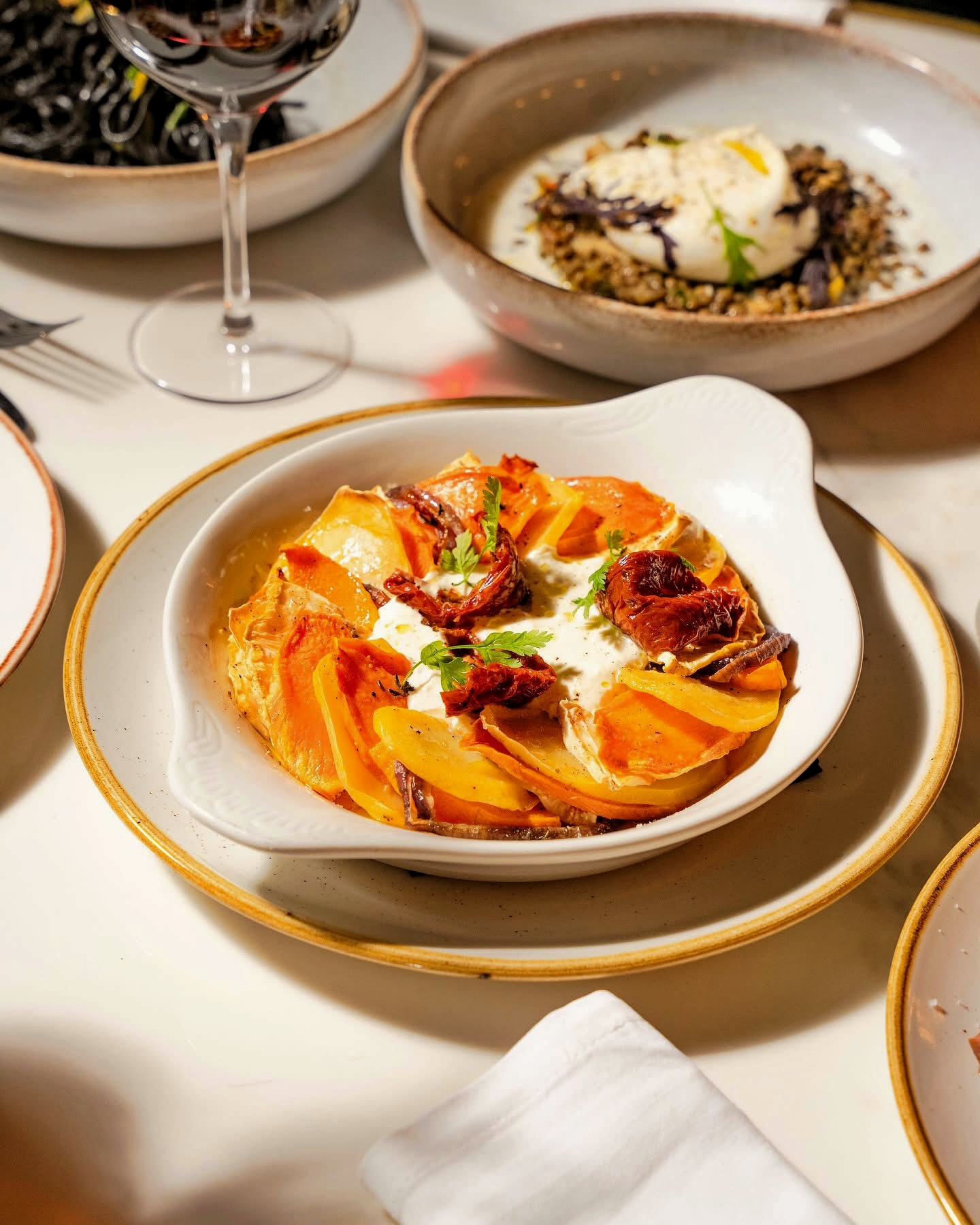
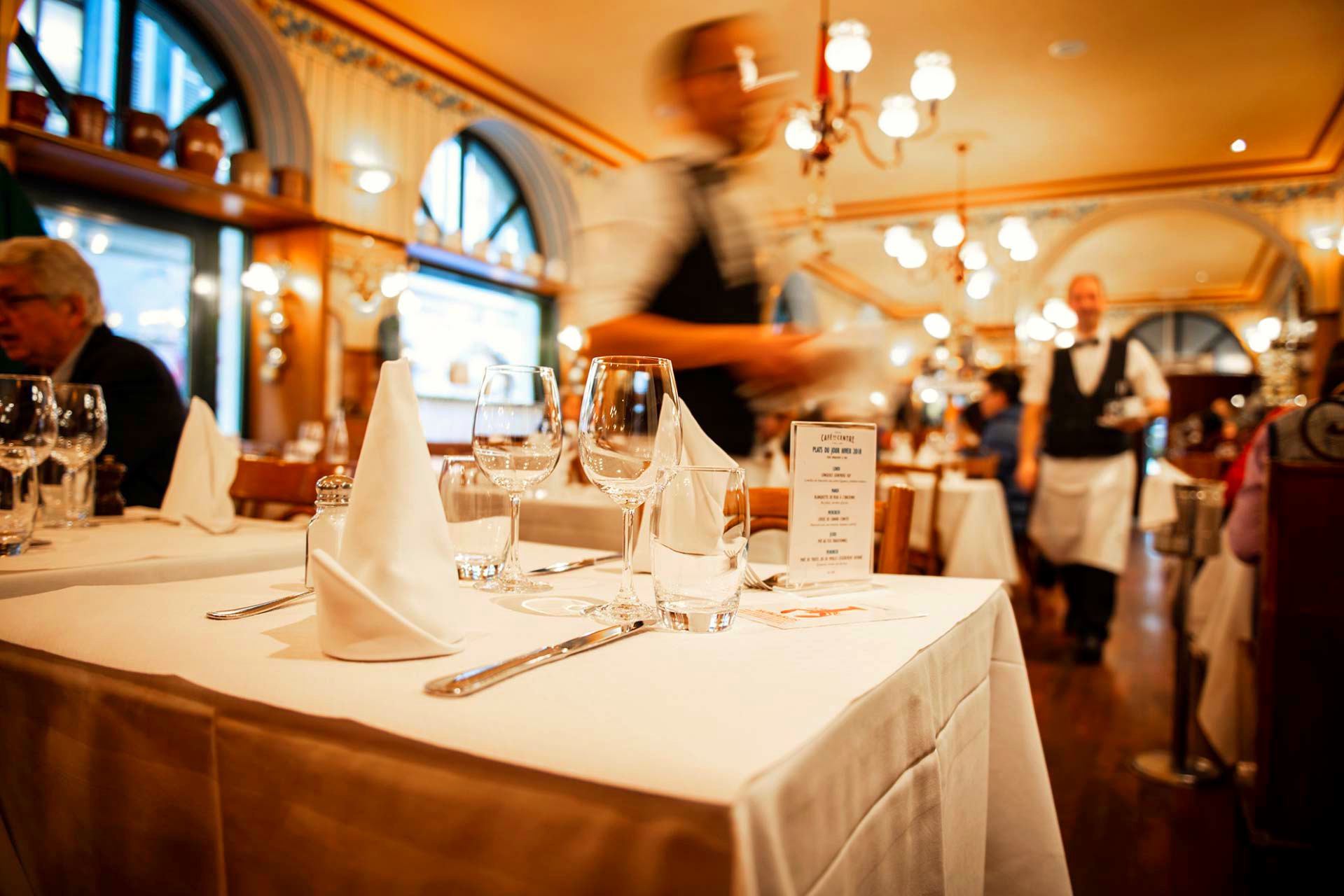
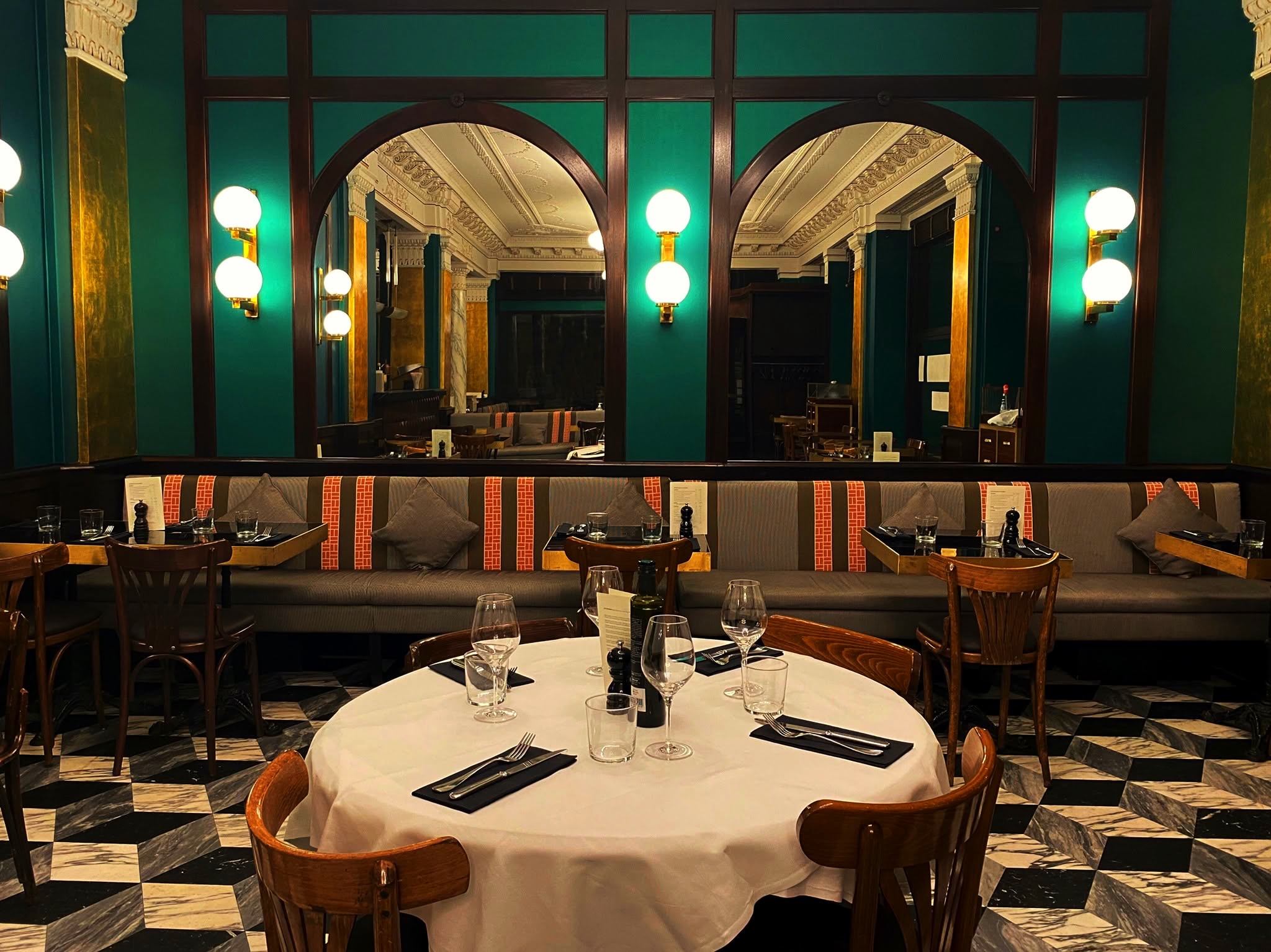
Na vivência da cidade, as mesas que mais gostei: Les Armures, Café du Centre, Café Le Lyrique, Café du Grütli no Grand Théâtre de Genève onde provei a melhor salada de alcachofra da minha vida, o vegetariano Amarante no jardim botânico colado às Nações Unidas e o Table Brute numa das ruas mais animadas do centro. A não perder também o chá da tarde do Four Seasons Hotel des Bergues.
Cada espaço, à sua maneira, revela uma cidade onde se come sem pressa e onde a elegância nunca precisa de ser ostensiva. Marcar mesa também no L’Alma e do Les Halles de l’Île, este último um antigo armazém medieval numa ilha no meio do Ródano, hoje brasserie, bar, esplanada sobre a água, com livraria e loja de discos. Ainda a Brasserie Lipp, instituição genebrina desde 1936, de ambiente Art Déco, com chucrute e ostras, onde se observa a cidade em estado puro durante a semana.
Geneva, a City Shaped by Happiness
“Of all the cities in the world, Geneva seems to be the place where people might come closest to happiness.” Those were the words of the Argentine writer Jorge Luis Borges. With the feel of a village where everyone knows one another, yet set within a profoundly international context, the city immediately struck me as offering a quality of life that surpasses almost anywhere else in Europe.
Among the city’s many tables, a few stood out: Les Armures, Café du Centre, Café Le Lyrique, and Café du Grütli at the Grand Théâtre de Genève, where I tasted the finest artichoke salad I have ever eaten. There is also the vegetarian Amarante, nestled within the Botanical Garden beside the United Nations, and Table Brute, on one of the liveliest streets in the city centre. Afternoon tea at the Four Seasons Hotel des Bergues should not be missed either.
Each of these places, in its own way, reflects a city where meals are enjoyed without haste and elegance never needs to announce itself. It is also worth reserving a table at L’Alma and at Les Halles de l’Île, the latter housed in a former medieval warehouse on an island in the middle of the Rhône, now transformed into a brasserie, bar and waterside terrace, complete with a bookshop and record store. Then there is Brasserie Lipp, a Geneva institution since 1936. With its Art Deco interior, celebrated choucroute and oysters, it remains one of the finest places to observe the city in its everyday rhythm.
At the Bains des Pâquis, Geneva becomes almost democratic. A sauna, a swim in the lake, an unpretentious café and open horizons create a kind of essential urbanism, where residents and visitors gather to swim at the end of the day alongside swans—quite literally less than a metre away—with the city’s famous water jet rising just beyond.
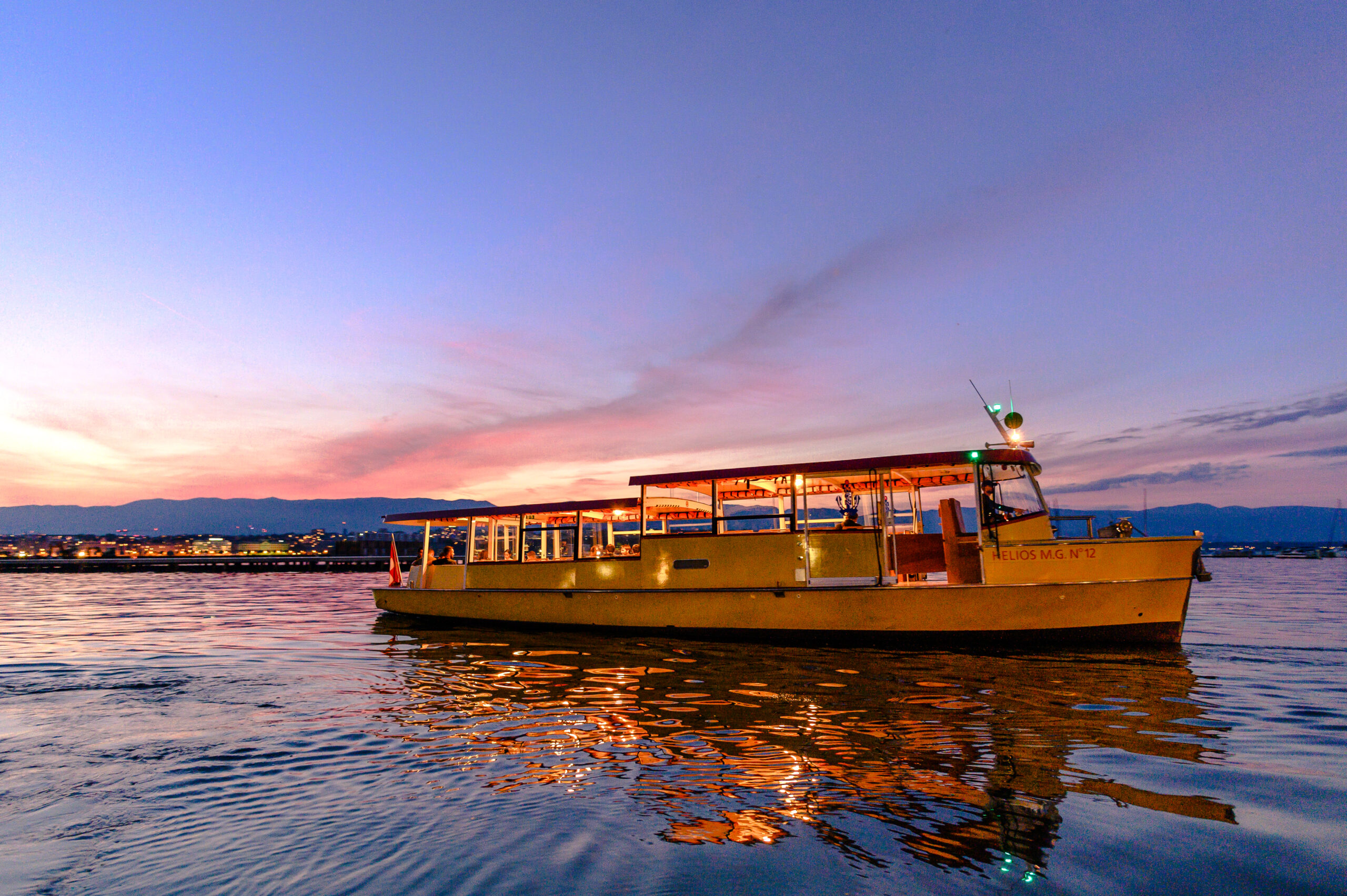
One experience is all but essential: crossing the lake aboard one of the traditional mouettes, the small yellow-and-crimson boats that form part of Geneva’s public transport network. Seen from the water, the city seems to reveal itself differently, its two shores enclosing a silence all of their own.
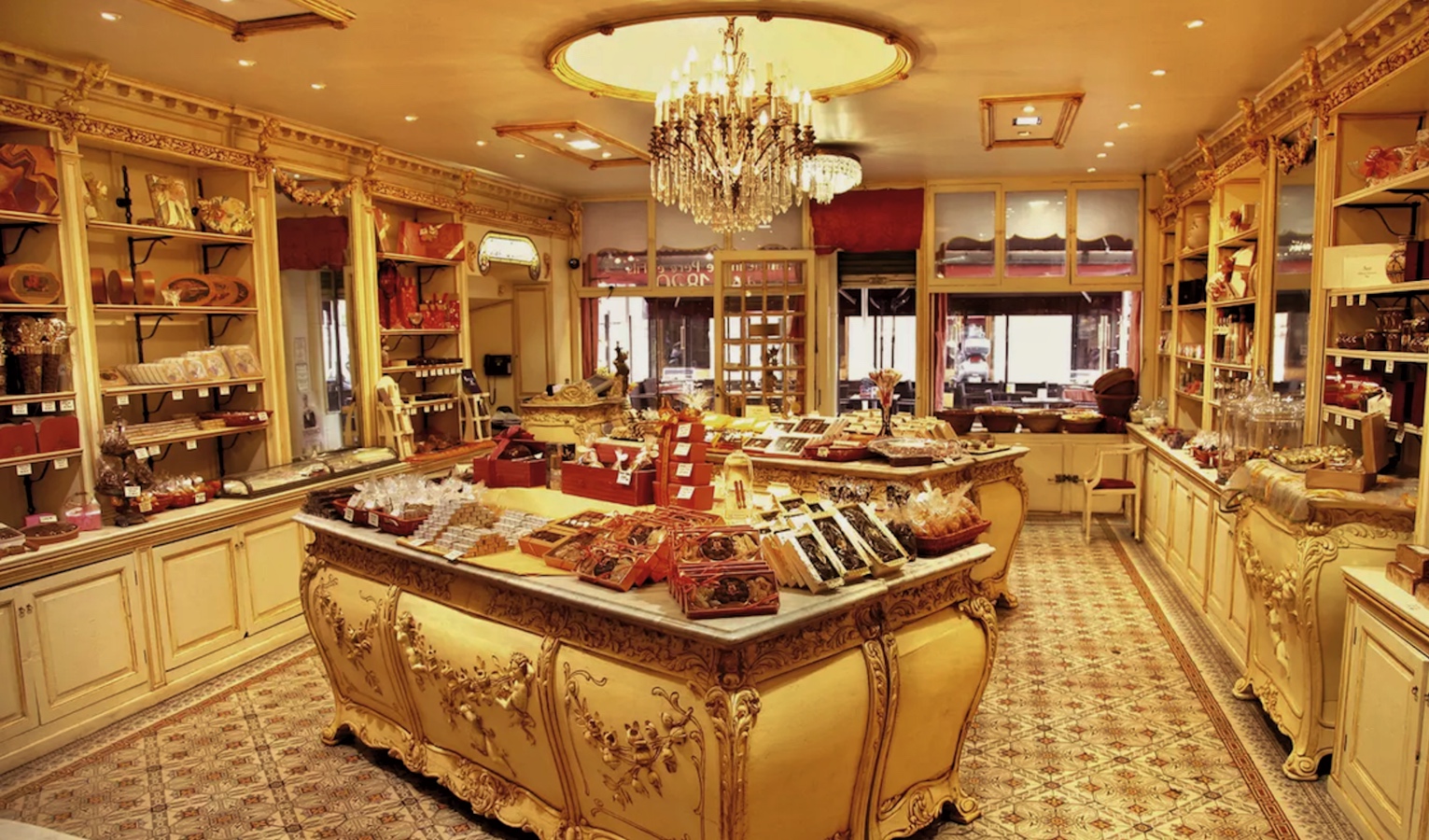
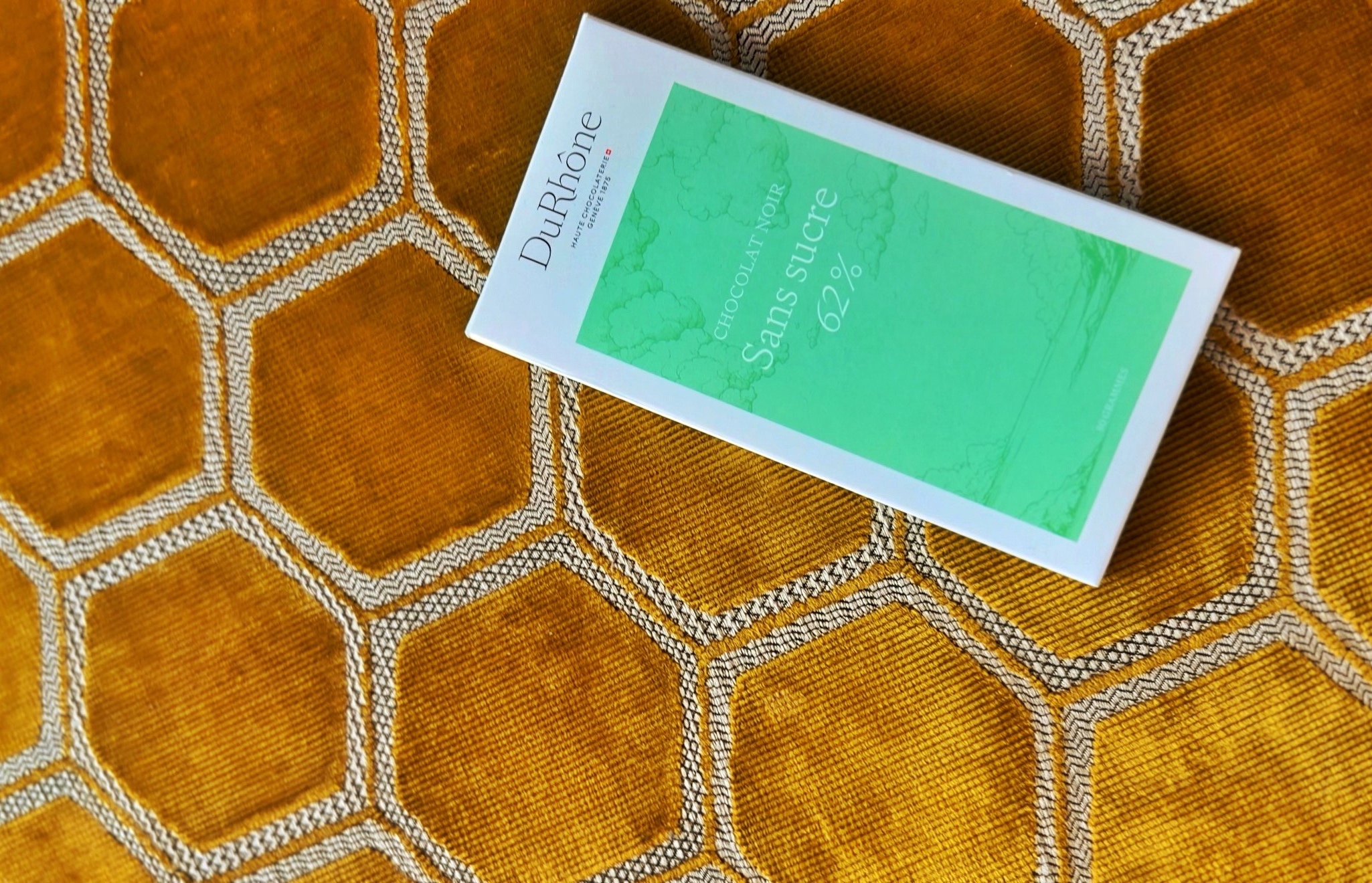
And what would a visit to Switzerland be without sampling its iconic chocolate? It would be rather like going to Rome and not seeing the Pope. To celebrate this tradition, Geneva Tourism has created the Choco Pass, allowing visitors to enjoy tastings at several renowned chocolatiers. The route follows the Rhône district, where chocolate is still bought as an old, almost instinctive ritual, preserving a quiet craftsmanship that has resisted the passage of time.
Three historic houses, in particular, embody the city’s understated refinement. The first is Auer Chocolatier, one of Geneva’s oldest chocolate makers, founded in the nineteenth century, where the display cases seem suspended in time and each creation is crafted with quiet precision—delicate, light and never excessive. Next comes Favarger, deeply rooted in Geneva’s traditions, where restraint is not merely a style but a language. Its pralines possess clean, almost geometric flavours, as though each piece of chocolate were more an idea than an indulgence. Finally comes Du Rhône Chocolatier, perhaps the city’s most emblematic chocolatier: classical, exacting and almost architectural in its execution, where every chocolate appears to follow the same subtle discipline that shapes Geneva itself.
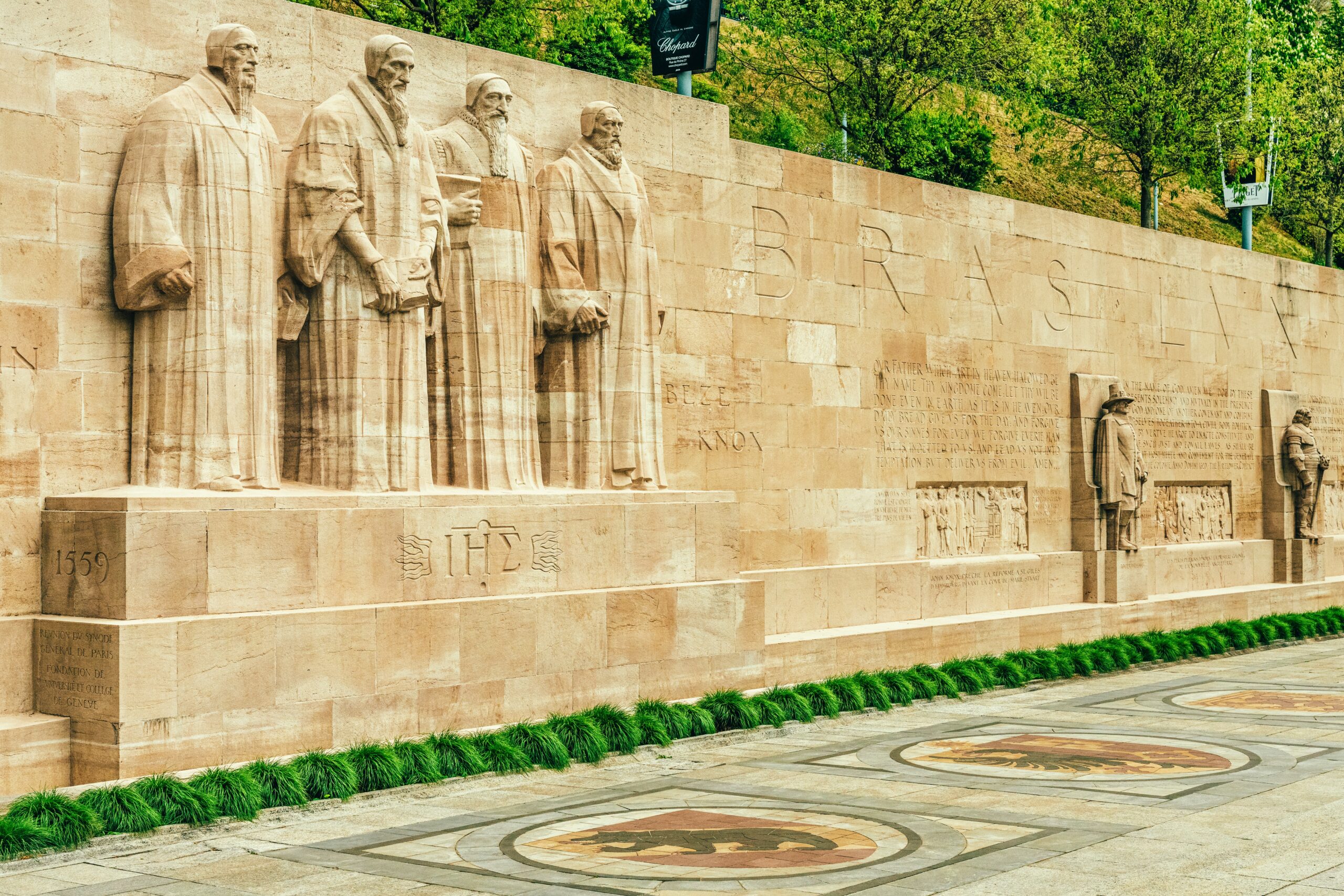
The route is best continued across Place du Molard before climbing towards the Old Town via Place du Bourg-de-Four. Visit St Peter’s Cathedral, pause at the Ancien Arsenal, then descend along the Rampe de la Treille to the Reformation Wall.
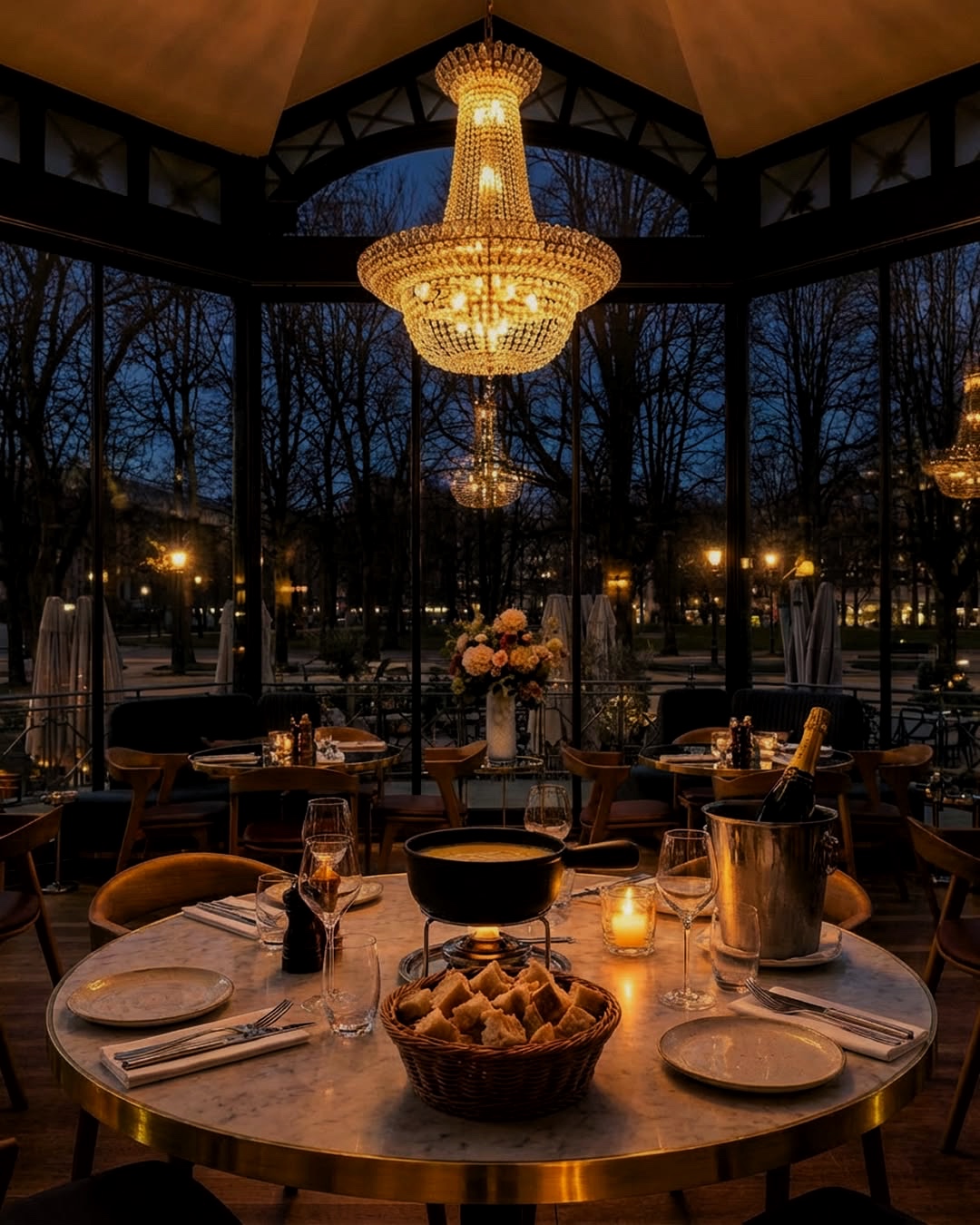
By then, the walk naturally calls for a pause at the Kiosque des Bastions. This beautiful Art Deco pavilion, set in the heart of the Parc des Bastions, is where Genevans gather for weekend brunch, lunch, an early evening drink or dinner. More than a restaurant, it is a living expression of the city’s social pulse.
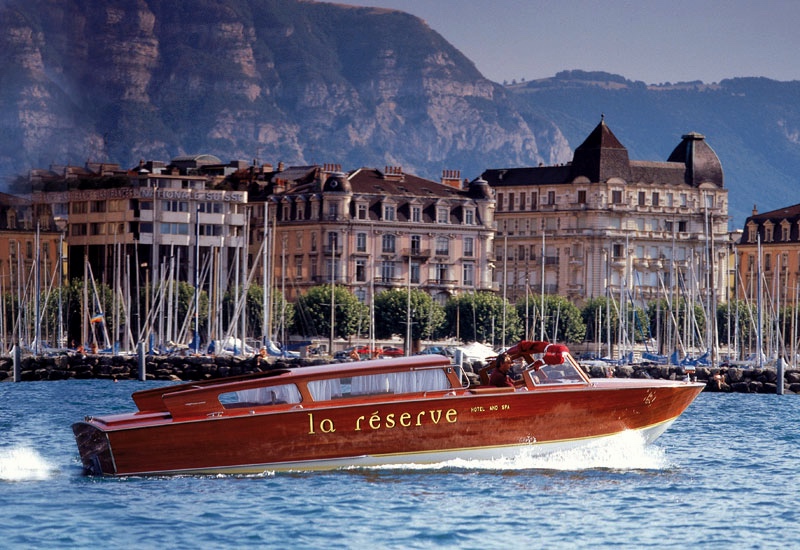
Equally worthwhile is heading up to the rooftop of the Hôtel Métropole Genève, where one of the city’s most beautiful panoramas unfolds. And for a late afternoon drink or dinner, board the launch to La Réserve Genève, whose lakeside setting offers a quieter perspective on the city from across the water.
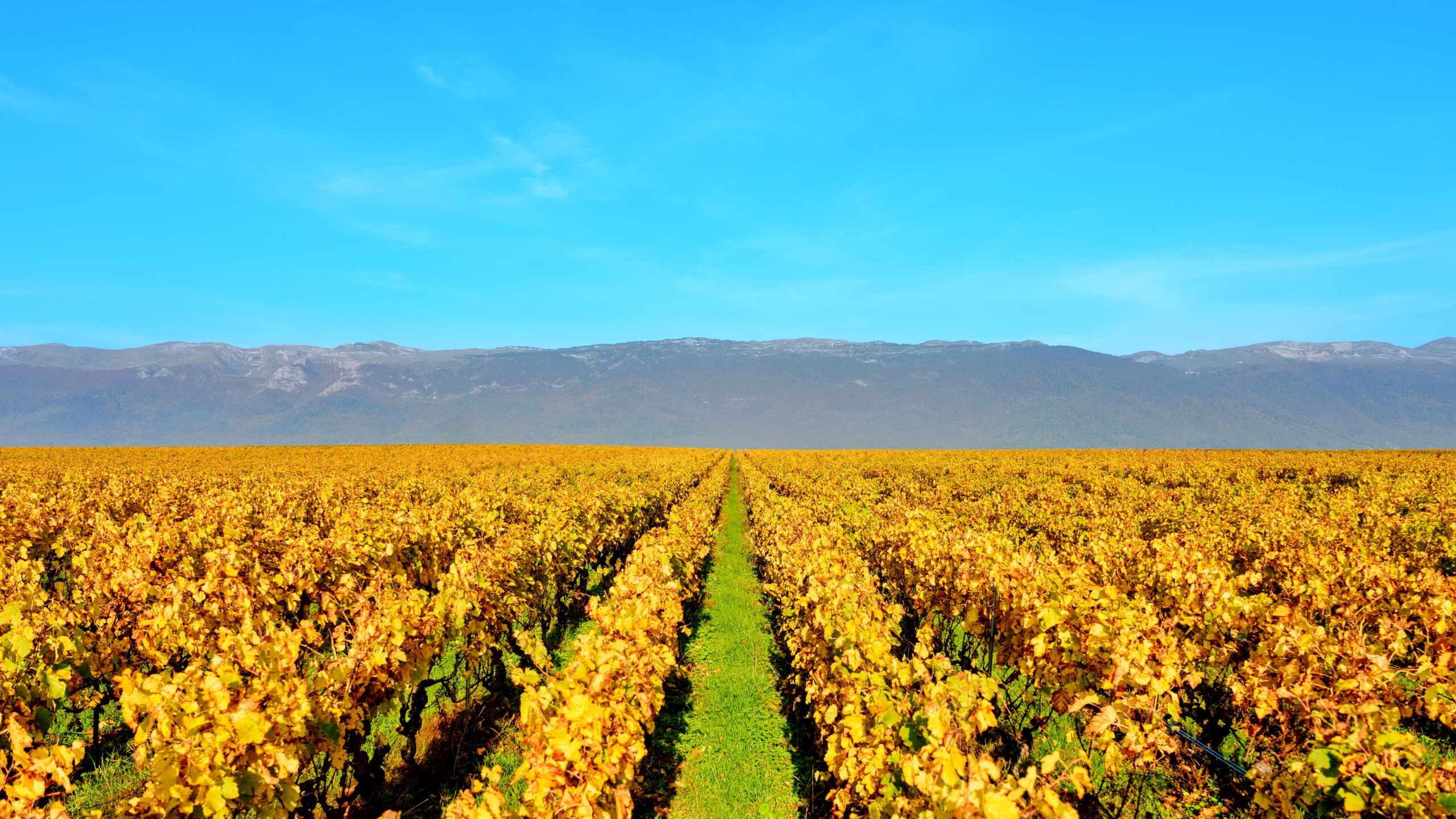
Should time allow, venture beyond the centre to the cellars of Château Crest, the estate of Sylvie and Yves Micheli. There, peacocks wander freely among vineyards, remarkable wine cellars and a fascinating private collection devoted to the history of Geneva.
In the end, Geneva never imposes itself—it reveals itself. Between the lake and diplomacy, between discreet elegance, an almost unimaginable quality of life and a serene diversity that exists without friction, the city has cultivated a rare form of everyday harmony, where everything seems to find its natural place and life unfolds with effortless grace. Perhaps that is Geneva’s greatest brilliance: a city where happiness is neither displayed nor pursued—it simply exists. And even when the world is in turmoil, Geneva somehow always returns to its singular gift for balance.

Nos Bains des Pâquis, Genebra torna-se quase democrática: sauna, banho no lago, café simples, horizontes abertos — uma espécie de urbanismo essencial onde habitantes e viajantes se misturam para nadar ao final do dia, ao lado de cisnes, literalmente a menos de um metro, com o famoso jato de água a poucos metros de distância.
Uma experiência quase obrigatória é atravessar o lago numa das tradicionais mouettes — pequenos barcos amarelos e carmim que integram a rede de transportes públicos de Genève — como se a cidade se revelasse melhor vista a partir da água, entre margens que parecem conter um silêncio próprio.
Porque ir à Suiça sem provar os icónicos chocolates, é o mesmo que ir a Roma e não ver o Papa, o turismo da cidade criou um Chocopass para fazer várias provas. Percorre-se a zona do Rhône, onde o chocolate ainda se compra como um gesto antigo, quase instintivo, preservando uma liturgia discreta que resiste ao tempo. E vale a pena parar em três casas históricas, que definem a elegância contida da cidade.
A primeira a Auer Chocolatier, uma das mais antigas da cidade, fundada no século XIX, onde as vitrines parecem suspensas numa temporalidade própria e o chocolate é trabalhado com precisão silenciosa — fino, leve, sem excessos. Segue-se a Favarger, profundamente enraizada na tradição genebrina, onde a sobriedade não é estilo, mas linguagem. Os pralinés têm sabores limpos, quase geométricos, como se cada pedaço de chocolate fosse mais ideia do que indulgência. Termina-se na Du Rhône Chocolatier, talvez a mais emblemática de todas: clássica, rigorosa, de execução quase arquitetónica, onde cada chocolate parece obedecer à mesma disciplina subtil que estrutura a própria cidade.
Vale a pena aproveitar o percurso atravessando a Place du Molard e subindo em direção à Cidade Velha pela Place du Bourg-de-Four. Visitar a Catedral de Saint-Pierre, espreitar o Ancien Arsenal e descer pela Rampe de la Treille até ao Muro dos Reformadores.
Aqui o final da caminhada pede uma pausa no Kiosque des Bastions, para uma experiência verdadeiramente local, este lindíssimo espaço Art Déco no coração do jardim com o mesmo nome, é uma boa escolha para brunch ao fim de semana, almoço, copo de fim de tarde ou jantar, é um testemunho vivo da pulsação dos locais da cidade.
Obrigatório é também subir ao rooftop do Hôtel Métropole Genève, para avistar um dos postais mais bonitos da cidade. A não perder também, apanhar a lancha do La Réserve Genève, para um copo tardio ou jantar no hotel do mesmo nome, junto a uma margem mais distante.
Se ainda houver tempo, vale a pena visitar as caves do Château Crest, o castelo de Sylvie e Yves Micheli, onde vários pavões se pavoneiam, entre adegas de vinhos marcantes e uma coleção de arte privada imperdível sobre a historia de Genebra.
Num epílogo feliz, Genebra não se impõe — revela-se. Entre o lago e a diplomacia, entre a elegância discreta, a qualidade de vida quase inacreditável e uma diversidade serena que se vive sem atrito, a cidade constrói uma forma rara de harmonia quotidiana, onde tudo parece caber sem ruído e a vida se desenrola com uma leveza inevitável. E talvez seja esse o seu verdadeiro fulgor: uma cidade onde a felicidade não é exibida nem procurada — apenas acontece. Porque, mesmo quando o mundo se agita, Genebra regressa sempre ao seu magistral lugar de equilíbrio.
At the Bains des Pâquis, Geneva becomes almost democratic. A sauna, a swim in the lake, an unpretentious café and open horizons create a kind of essential urbanism, where residents and visitors gather to swim at the end of the day alongside swans—quite literally less than a metre away—with the city’s famous water jet rising just beyond.
One experience is all but essential: crossing the lake aboard one of the traditional mouettes, the small yellow-and-crimson boats that form part of Geneva’s public transport network. Seen from the water, the city seems to reveal itself differently, its two shores enclosing a silence all of their own.
And what would a visit to Switzerland be without sampling its iconic chocolate? It would be rather like going to Rome and not seeing the Pope. To celebrate this tradition, Geneva Tourism has created the Choco Pass, allowing visitors to enjoy tastings at several renowned chocolatiers. The route follows the Rhône district, where chocolate is still bought as an old, almost instinctive ritual, preserving a quiet craftsmanship that has resisted the passage of time.
Three historic houses, in particular, embody the city’s understated refinement. The first is Auer Chocolatier, one of Geneva’s oldest chocolate makers, founded in the nineteenth century, where the display cases seem suspended in time and each creation is crafted with quiet precision—delicate, light and never excessive. Next comes Favarger, deeply rooted in Geneva’s traditions, where restraint is not merely a style but a language. Its pralines possess clean, almost geometric flavours, as though each piece of chocolate were more an idea than an indulgence. Finally comes Du Rhône Chocolatier, perhaps the city’s most emblematic chocolatier: classical, exacting and almost architectural in its execution, where every chocolate appears to follow the same subtle discipline that shapes Geneva itself.
The route is best continued across Place du Molard before climbing towards the Old Town via Place du Bourg-de-Four. Visit St Peter’s Cathedral, pause at the Ancien Arsenal, then descend along the Rampe de la Treille to the Reformation Wall.
By then, the walk naturally calls for a pause at the Kiosque des Bastions. This beautiful Art Deco pavilion, set in the heart of the Parc des Bastions, is where Genevans gather for weekend brunch, lunch, an early evening drink or dinner. More than a restaurant, it is a living expression of the city’s social pulse.
Equally worthwhile is heading up to the rooftop of the Hôtel Métropole Genève, where one of the city’s most beautiful panoramas unfolds. And for a late afternoon drink or dinner, board the launch to La Réserve Genève, whose lakeside setting offers a quieter perspective on the city from across the water.
Should time allow, venture beyond the centre to the cellars of Château Crest, the estate of Sylvie and Yves Micheli. There, peacocks wander freely among vineyards, remarkable wine cellars and a fascinating private collection devoted to the history of Geneva.
In the end, Geneva never imposes itself—it reveals itself. Between the lake and diplomacy, between discreet elegance, an almost unimaginable quality of life and a serene diversity that exists without friction, the city has cultivated a rare form of everyday harmony, where everything seems to find its natural place and life unfolds with effortless grace. Perhaps that is Geneva’s greatest brilliance: a city where happiness is neither displayed nor pursued—it simply exists. And even when the world is in turmoil, Geneva somehow always returns to its singular gift for balance.
Mais em My Switrzerland, Potel des Nations, Visit Geneva, Swiss and Travel Swiss.
More in MSwitrzerland, Potel des Nations,Visit Geneva, Swiss and Travel Swiss.